

Contemporary Interior Design: Definition, Style, Furniture & TOP 15 Ideas for 2026
People frequently use the term “contemporary interior design“, but they rarely understand its meaning or how it differs from broader ideas such as contemporary design interior trends seen in offices, showrooms, and commercial spaces.
People throw it around to mean “modern”, “clean, or simply “new-looking”, but the style has a distinct identity that goes well beyond any of those shortcuts. If you are planning a new workspace, showroom, or commercial interior and want something that holds up aesthetically for the next decade, understanding what contemporary design actually means is the right place to start.
1. What Is Contemporary Interior Design?
Contemporary interior design is the dominant, ever-evolving aesthetic sensibility of the present moment. As a contemporary interior design style, it reflects how people want spaces to feel and function today rather than following a fixed historical formula. Unlike styles anchored to a fixed historical period, such as Art Deco or Mid-Century Modern, “contemporary” is intentionally fluid, defined by reflecting what designers and clients are gravitating toward right now.
This strong style is based on a sophisticated “less is more” philosophy that emphasizes clean lines, functional layouts, and careful use of texture. Its hallmark is a “borrowing” nature, integrating elements from various eras while grounding them firmly in current technology and modern lifestyle needs. In practice, interior contemporary design often combines simplicity, adaptability, and subtle contrast to create spaces that feel current without becoming overly trend-driven.
To further enhance this minimalist yet expressive approach, many projects today integrate elements of industrial interior design, where raw materials like concrete and exposed structures are balanced with refined finishes. This fusion allows contemporary spaces to feel both authentic and highly functional, especially in commercial environments.
Contemporary interiors prioritize quality over ornamentation. Every material choice and element is deliberate, maintaining a careful balance between function and visual appeal without being excessive. For commercial spaces, this approach has become the indispensable language of serious, forward-looking brands, ensuring the interior supports the work or product for lasting relevance. That is why many brands now prefer contemporary design interior solutions for commercial projects that need both longevity and a polished visual identity.
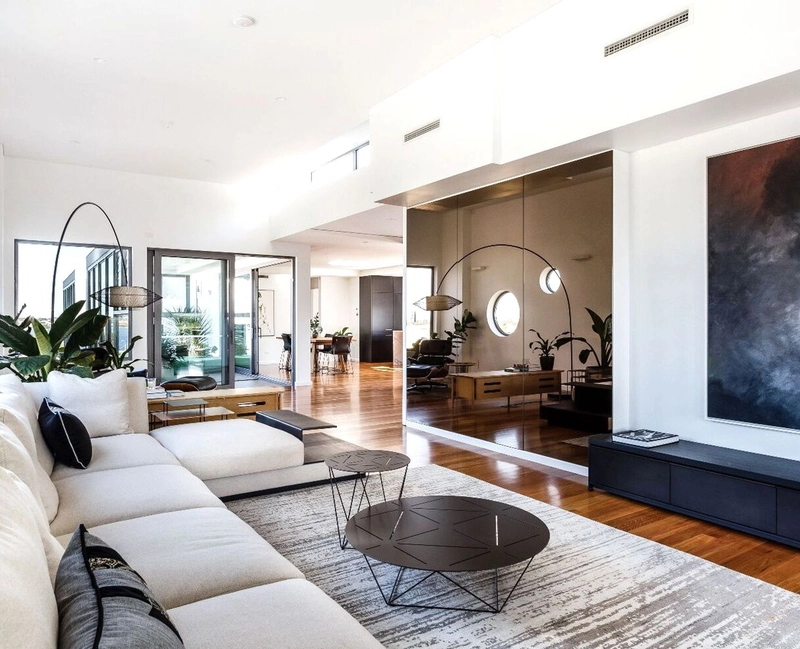
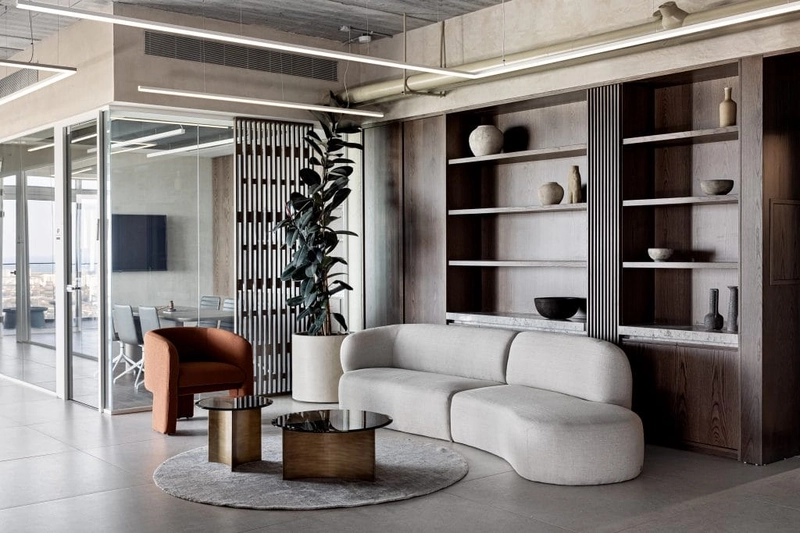
To achieve this level of precision, the execution phase is just as important as the concept. A well-planned interior construction process ensures that every design decision, from materials to spatial proportions, is delivered accurately in the final built environment.
1.1 Modern vs. Contemporary Interior Design: What’s the Difference?
This is the most frequent question we receive from clients. In reality, many people confuse contemporary spaces with modern contemporary interior design, even though the two are not identical. The key difference is that the contemporary style of interior design changes with current lifestyles, materials, and cultural preferences, while modern design refers to a more defined historical movement. To simplify:
|
Feature |
Modern Interior Design |
Contemporary Interior Design |
|
Time Period |
1920s – 1970s (A fixed historical era). |
Ever-evolving, it reflects the present moment and current trends. |
|
Lines and Forms |
Straight, geometric, and angular; no curves for their own sake. |
The design combines angular lines with fluid, curvilinear forms, such as curved sofas or arched doorways. |
|
Color Palette |
Neutral tones like whites, greys, browns, and warm, earthy colors. |
Neutral foundation with bolder accent colors; black is frequently used as a dominant or accent color. |
|
Materials |
Natural materials such as wood, leather, and stone are paired with industrial metals like chrome and steel. |
An eclectic mix including glass, polished concrete, mixed metals, and a strong emphasis on sustainable or recycled materials. |
|
Furniture Style |
Low-profile, highly functional, and often featuring iconic mid-century pieces. |
Artistic statement pieces, combining different textures and styles, and pushing creative boundaries. |
|
Lighting |
Functional pendant lights creating a warm ambient glow. |
Dramatic statement fixtures, sculptural lighting, and layered setups (e.g., hidden LED strips). |
|
Nature in Design |
Implied mainly through the use of natural materials. |
Explicit biophilic design, intentionally incorporating indoor plants, natural light, and nature views. |
|
Key Concepts |
Functionality, simplicity, warmth, and craftsmanship. |
Current, adaptable, eclectic, and highly sustainable. |
2. Key Characteristics of Contemporary Interior Design
2.1. Clean Lines and Open Spaces
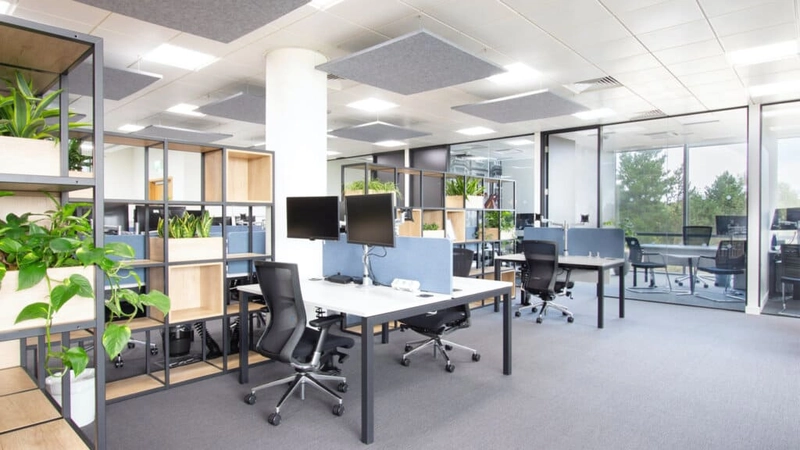
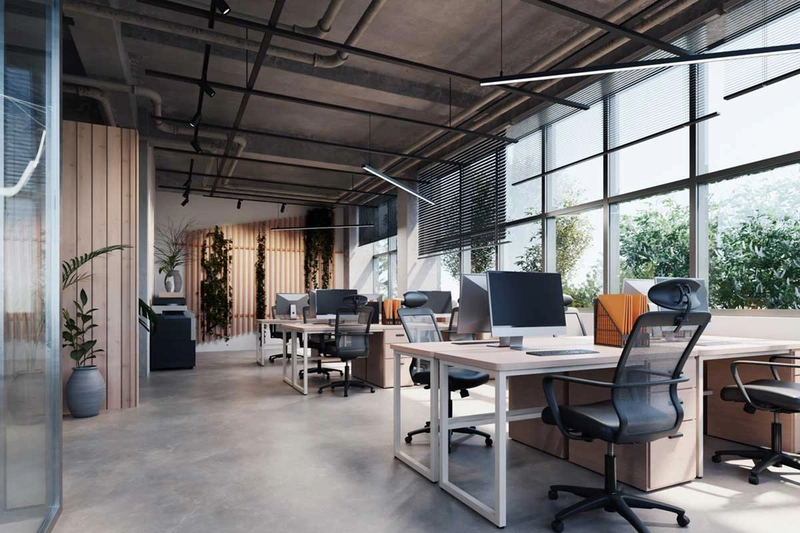
The style emphasizes simplicity, functional layouts, and structural clarity. It favors open floor plans that encourage spatial continuity and allow natural light to flow freely. Negative space (empty space) is highly valued as a design feature to create a sense of calm and prevent visual clutter.
This clarity in layout is particularly valuable in specialized workspaces where professionalism is key. In practice, law firm office interior design often adopts contemporary principles to create environments that are organized, visually calm, and aligned with the firm’s credibility and identity.
2.2. A Balance of Straight Lines and Curves
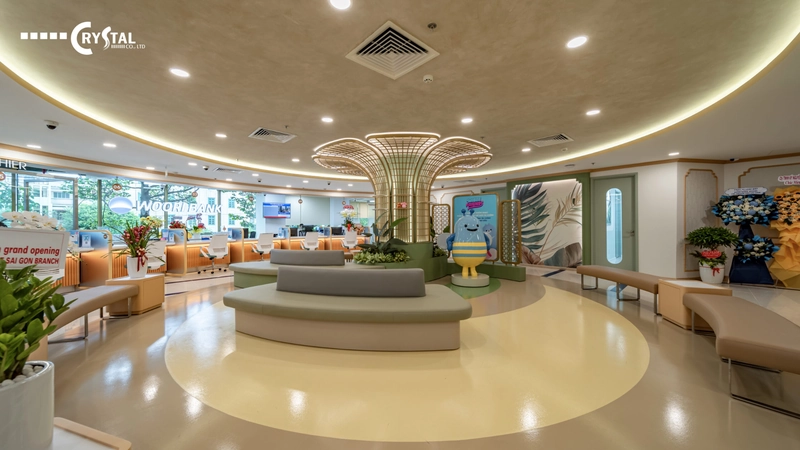
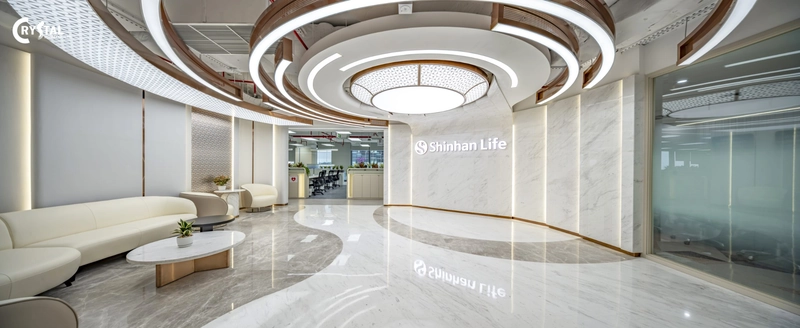
While straight, clean architectural lines are foundational, contemporary design actively incorporates fluid, curvilinear forms. You will frequently see arched doorways, rounded furniture, and soft, organic silhouettes that break up angular structures and add a sense of movement and relaxation.
2.3. Neutral Palettes with Strategic Bold Accents
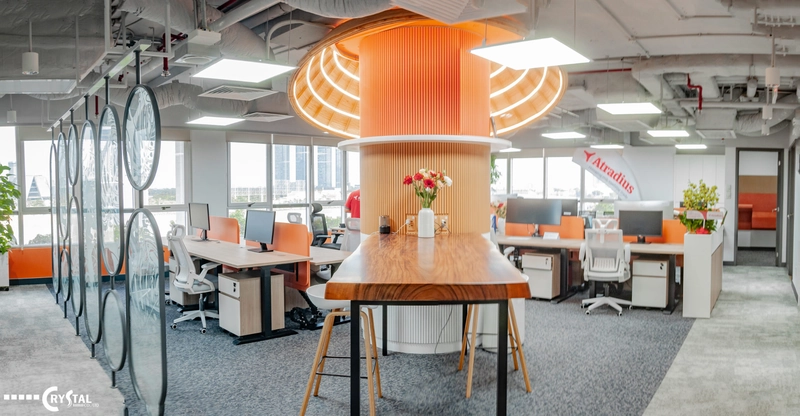
The color scheme relies heavily on a neutral base, such as whites, beiges, taupes, grays, and blacks, to create a calm, elegant backdrop. To prevent the space from feeling flat, designers strategically introduce bold, saturated accent colors (like terracotta, emerald green, or cobalt blue) through artwork, pillows, or a single piece of statement furniture.
2.4. Material Mashups and Tactile Textures
Contemporary spaces celebrate material authenticity and diversity by mixing natural and industrial elements. It is common to see combinations of natural wood, stone, polished concrete, glass, and mixed metals in a single room. To add warmth and prevent a sterile feel, rich, tactile textures like bouclé, velvet, wool, and linen are heavily layered into the space.
2.5. Statement Furniture and Minimalist Decor
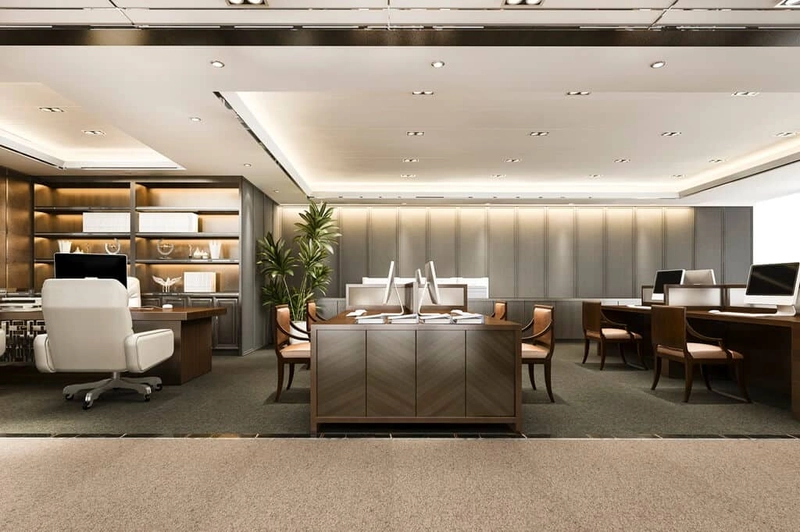
Furniture is selected for both ergonomic comfort and aesthetic impact, often featuring clean silhouettes and acting as sculptural art. High-quality contemporary interior design furniture is rarely chosen just to fill a room; it is selected to support function, create contrast, and reinforce the overall atmosphere of the space. Instead of matching sets and excessive knick-knacks, the style focuses on a few bold, intentional statement pieces, such as an oversized abstract painting, a sculptural vase, or a uniquely shaped armchair.
In many successful contemporary interior designs, furniture becomes the visual anchor that gives the room identity without creating clutter.
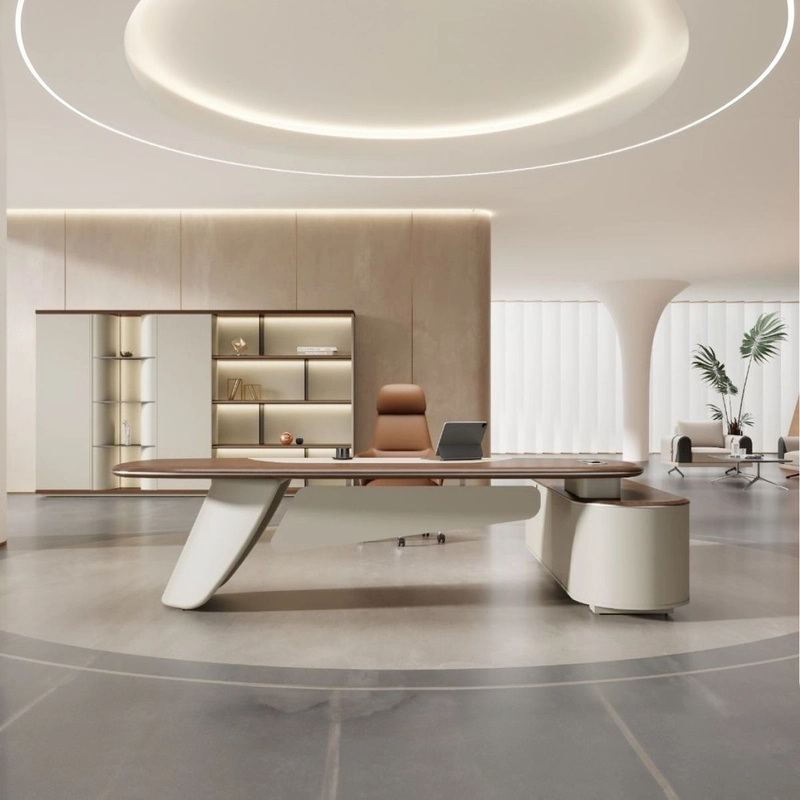
2.6. Sculptural and Layered Lighting
Lighting is treated as a major architectural and artistic feature. Contemporary interiors utilize layered lighting – combining striking statement chandeliers or pendants with subtle, hidden LED strips and abundant natural daylight – to create depth, highlight textures, and set the mood.
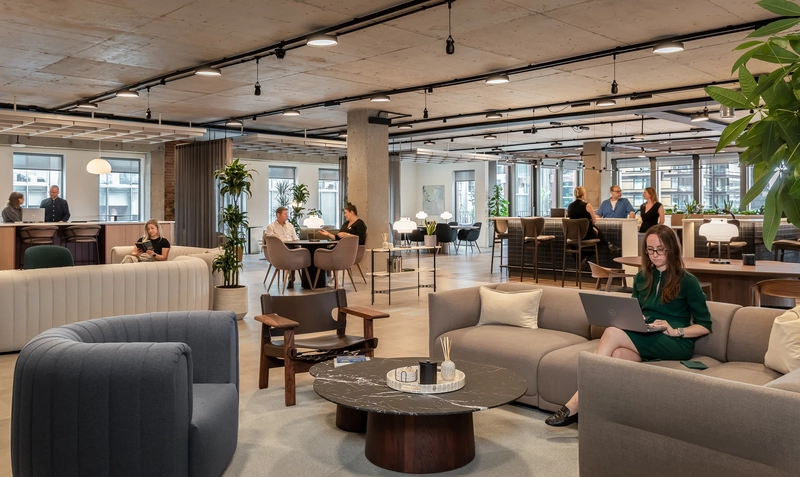
2.7. Biophilic Design and Sustainability
There is a strong, growing emphasis on ecological responsibility and human well-being. This includes prioritizing sustainable, recycled, or reclaimed materials (like bamboo or low-VOC finishes). It also integrates “biophilic” elements, such as large windows for sunlight, indoor living walls, and natural wood accents, to connect the indoors with nature and actively reduce stress.
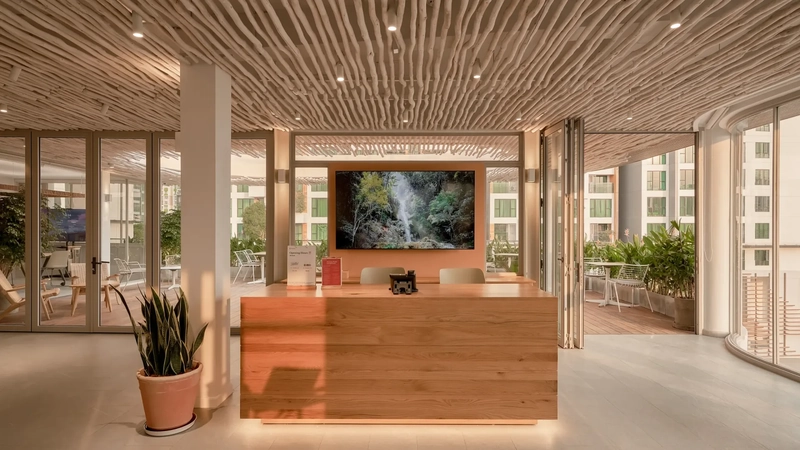
3. Popular Variations of Contemporary Interior Design Style
Contemporary design is far from a rigid formula. The most compelling contemporary interior designs today often blend minimalism, luxury, biophilic thinking, and industrial elements into one highly personalized concept. Because it is inherently fluid and constantly evolving, it frequently merges with other styles to create deeply personalized environments. Here are the most influential variations defining the space today:
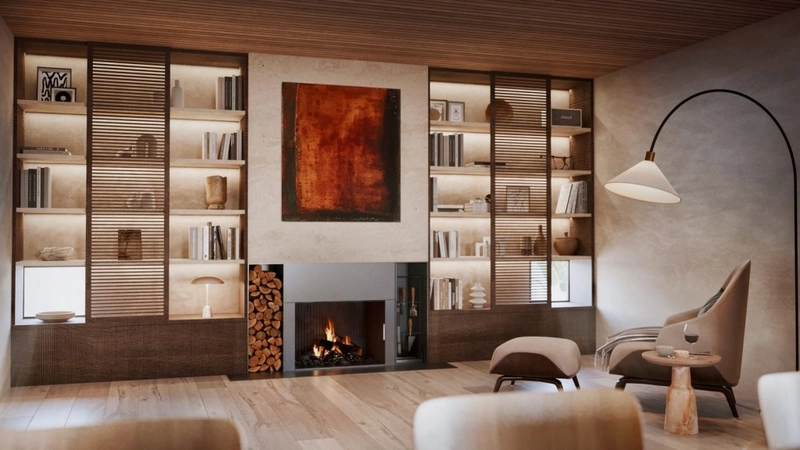
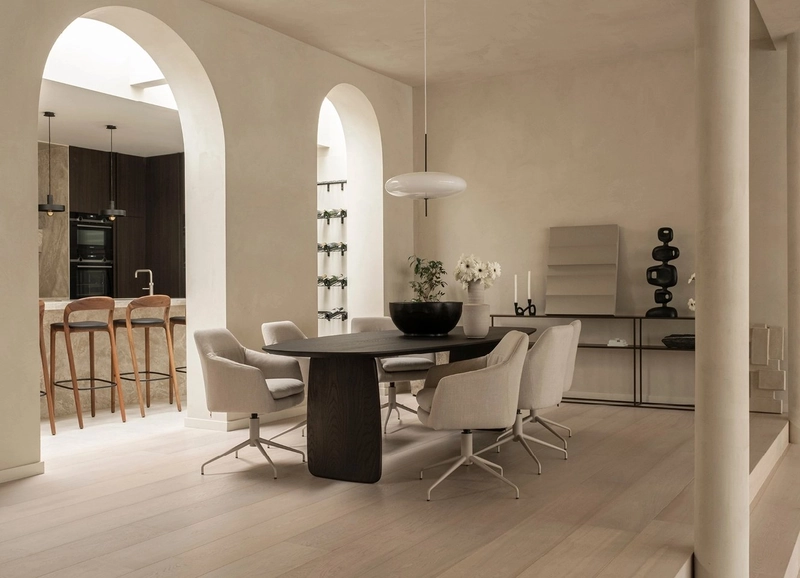
3.1. Minimalist Contemporary: Warm Simplicity
Minimalist contemporary is often misunderstood as being cold or “empty.” In reality, it is about intentionality, which strips away clutter to uncover a sense of peace and warmth. This style prioritizes clean architectural lines, perfect proportions, and the “less is more” philosophy. In these spaces, negative space (empty space) is treated as a core design element that helps quiet the mind.
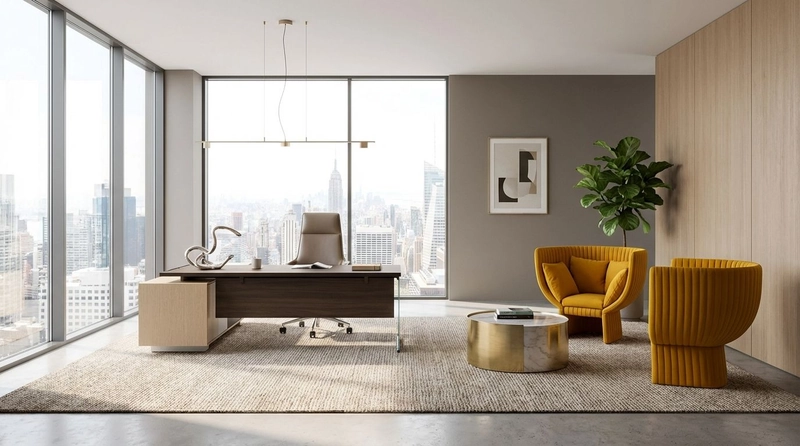
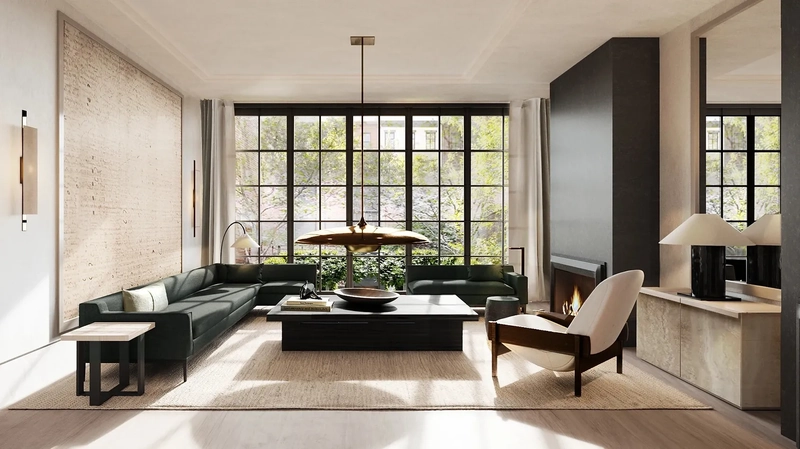
3.2. Luxury Contemporary: The “Quiet Luxury” Approach
Drawing heavily from the Quiet Luxury movement, this style is all about “stealth wealth,” which is exceptional quality and refined detail without the need for showy logos or over-the-top decor. Luxury Contemporary centers on a high-end experience through bespoke furniture, rare materials, and tech that works behind the scenes. The result is a space that feels regal yet calm, blending old-world craftsmanship with sharp, modern architecture.
This approach is especially influential in modern contemporary interior design, where premium materials and restrained detailing create a space that feels sophisticated rather than excessive.
3.3. Eclectic Contemporary: The Art of the Mix
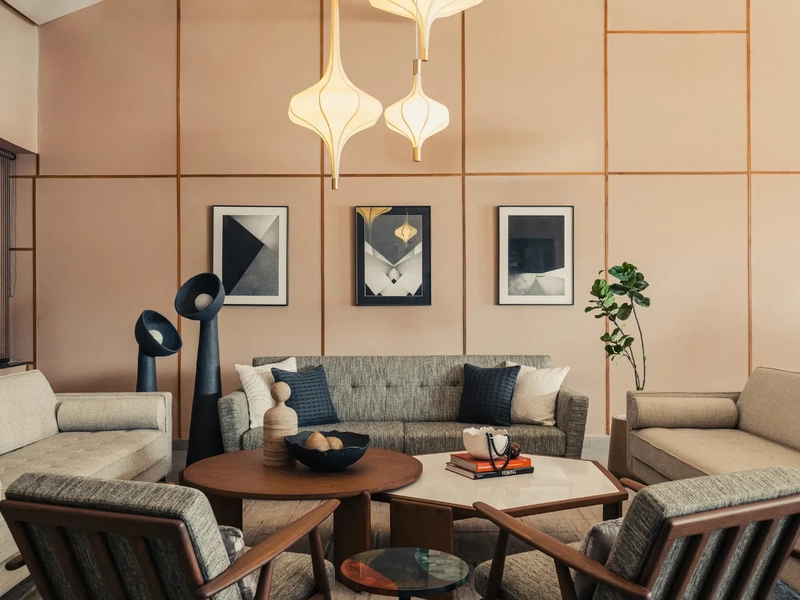
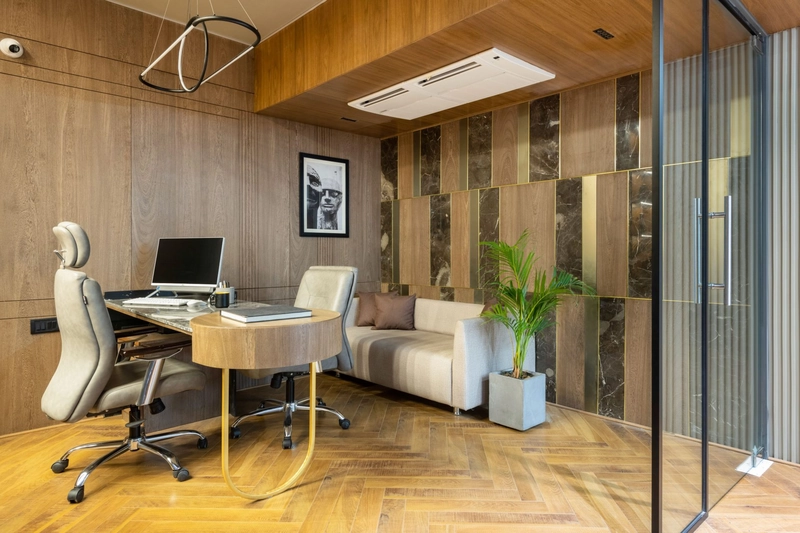
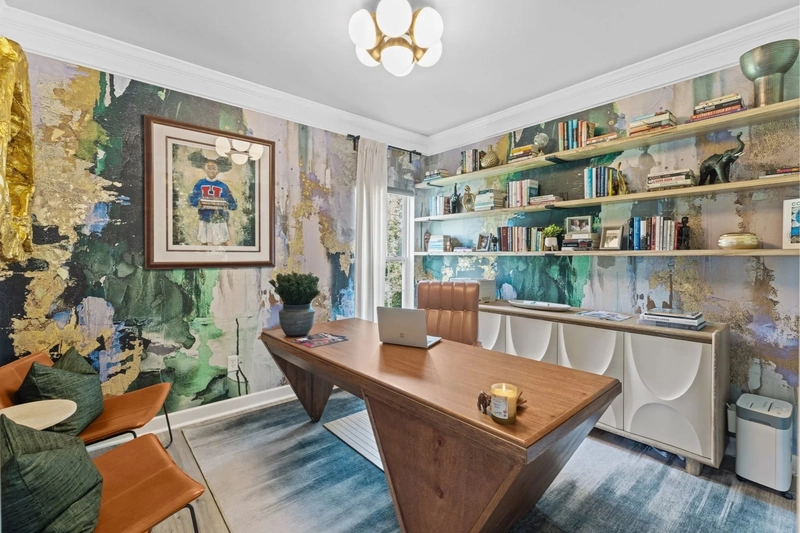
Eclectic Contemporary is the bold art of blending sleek, modern elegance with historical (vintage) or multicultural pieces. It gives you the freedom to break rigid color and material rules, creating a space that’s layered, deeply personal, and full of stories.
3.4. Organic and Biophilic Contemporary: The “Nature-First” Reset
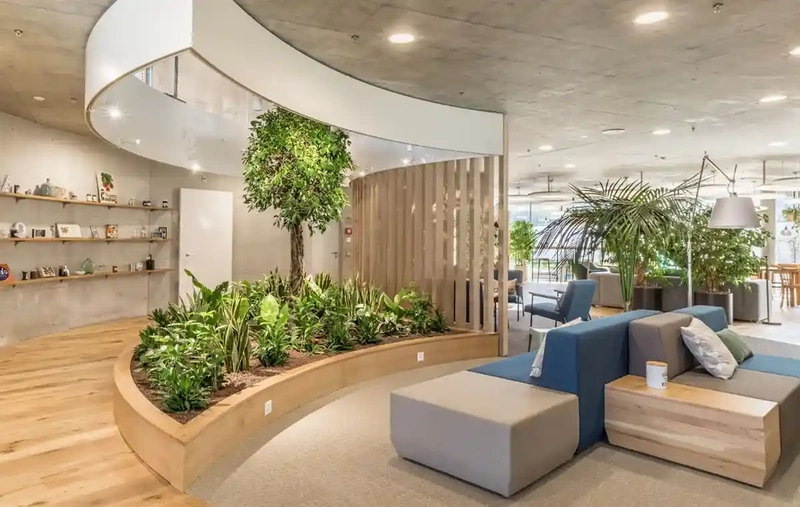
With a growing global focus on mental well-being and environmental health, Biophilic Contemporary (also known as Organic Modernism) has become a core philosophy for modern living. This style isn’t just about aesthetics; it’s about sustainable design and the restorative power of nature. By emphasizing organic curves and biological elements, these spaces significantly lower stress levels, sharpen focus, and help us truly “recharge” at home.
For many designers, this is the most human-centered contemporary interior design style, because it connects aesthetics, sustainability, and emotional comfort in one cohesive direction.
3.5. Industrial Contemporary: The “Rough Around the Edges” Sophisticate
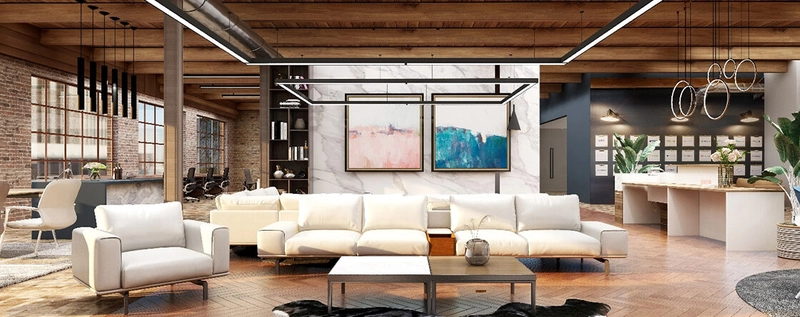
This style is a striking mashup of the gritty, raw bones of old industrial buildings and the polished, sleek lines of contemporary design. The secret to making it work is the “softening” effect: pairing raw structural elements like exposed brick, concrete, or ductwork with smooth textures, warm color palettes, and high-end modern lighting to keep the space from feeling cold or uninviting.
4. Best Contemporary Interior Designs Ideas for 2026
These ideas show how contemporary interior designs in 2026 are becoming warmer, more layered, and more responsive to how people live and work.
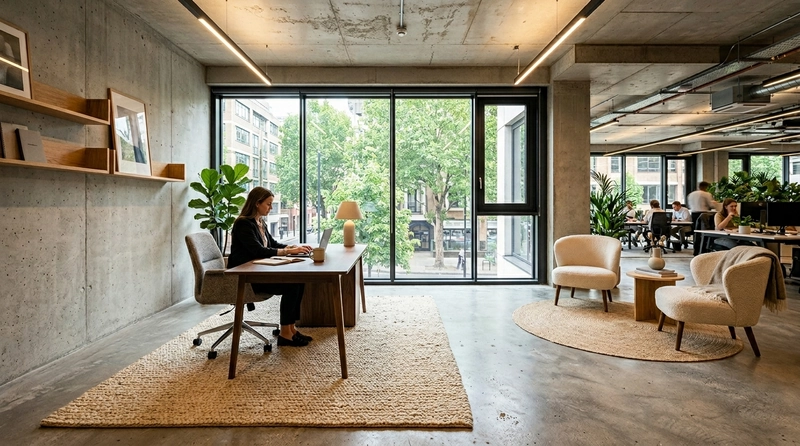
Idea 1 – The High-Contrast Mix: Pair a polished concrete floor or ceiling with plush, warm-toned woven rugs. This creates an immediate visual and tactile contrast that makes the industrial backdrop feel like a home.
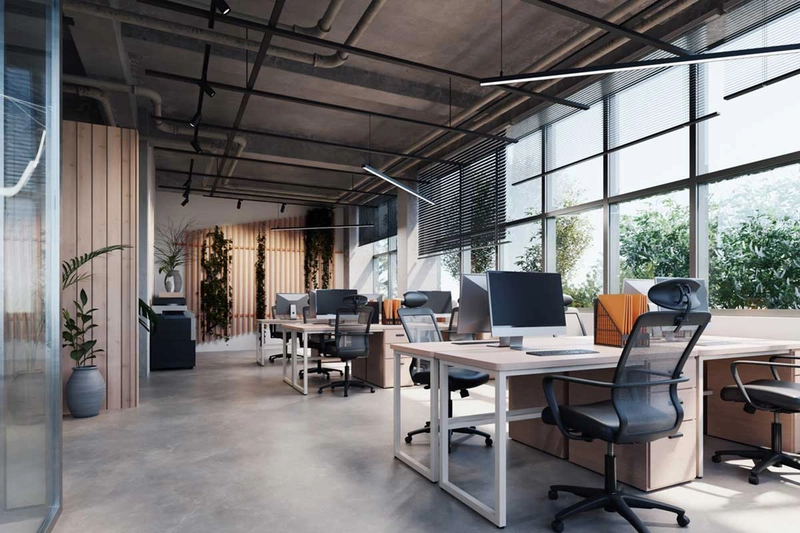
Idea 2 – Refined Exposure. Keep the structural pipes and concrete visible, but elevate the look by installing modern matte black track lighting. It turns “infrastructure” into a deliberate design statement.
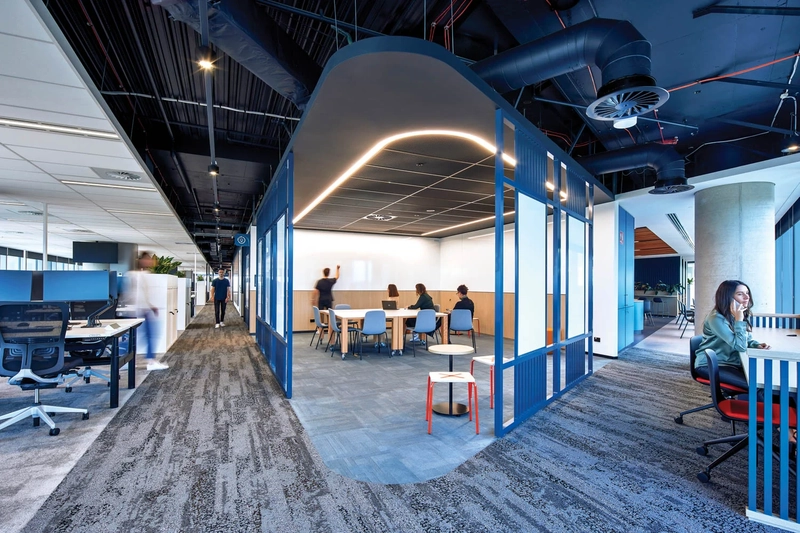
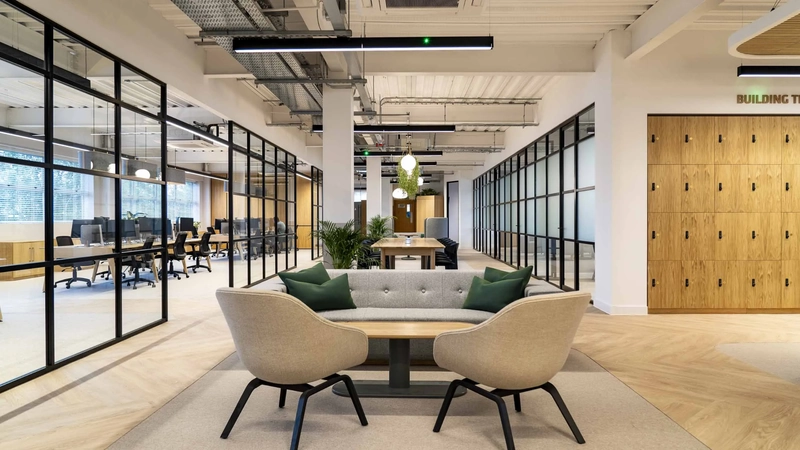
Idea 3 – “Invisible” Zoning: Use slim, black steel-framed glass partitions to define different areas. This allows you to partition a room while maintaining that open, airy warehouse feel.
Such spatial solutions are highly relevant in large-scale developments, especially within modern office building interior design, where designers must balance openness with functionality. Transparent partitions and subtle zoning techniques help maintain visual continuity while supporting multiple uses within the same floor plan.
Idea 4 – Warm Leather and Raw Wood: Lean into a premium aesthetic by placing a rich cognac leather sofa next to a coffee table made of raw, live-edge wood and minimalist metal legs.
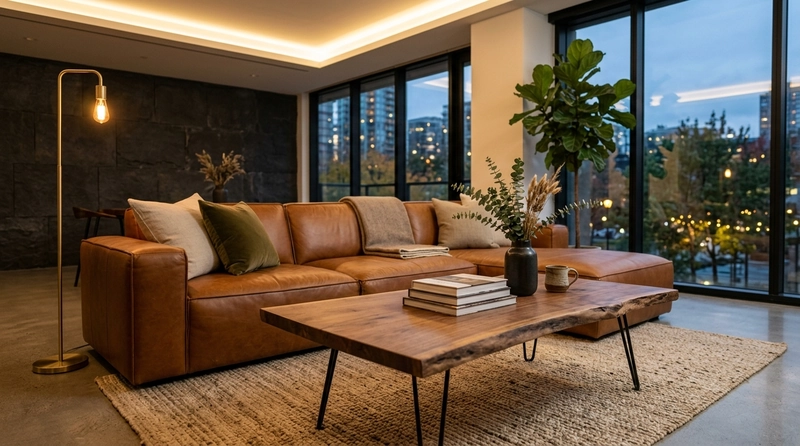
Idea 5 – Organic Softening: Add a pulse to the industrial vibe by layering in oversized indoor plants and bold contemporary art pieces to bring a human touch and vibrant energy to the room.
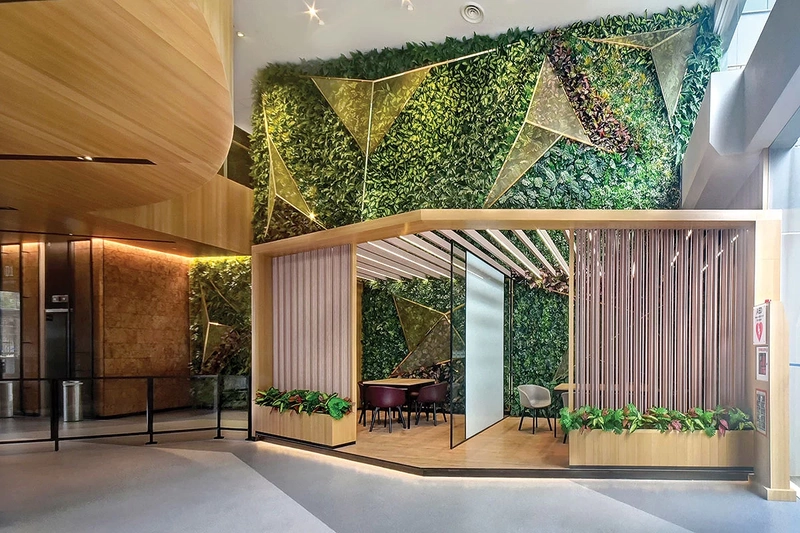
Idea 6 – Soft, Organic Curves. Ditch the sharp, rigid angles. Incorporate curved silhouettes, arched doorways, and “cloud-like” rounded sofas to create a fluid, inviting environment that mimics the soft shapes found in nature.
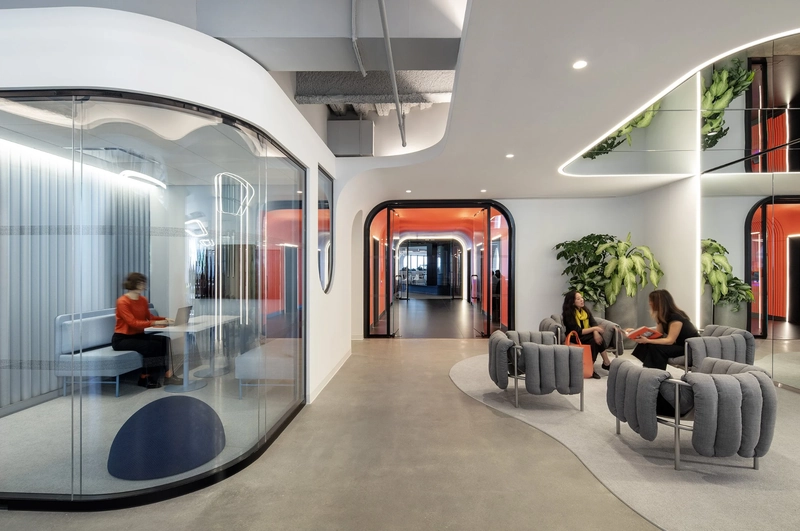
Idea 8 – Eco-Conscious Materiality: Prioritize the planet by using reclaimed timber, bamboo, and recycled glass. To keep your indoor air quality pristine, always opt for low-VOC paints and non-toxic finishes.
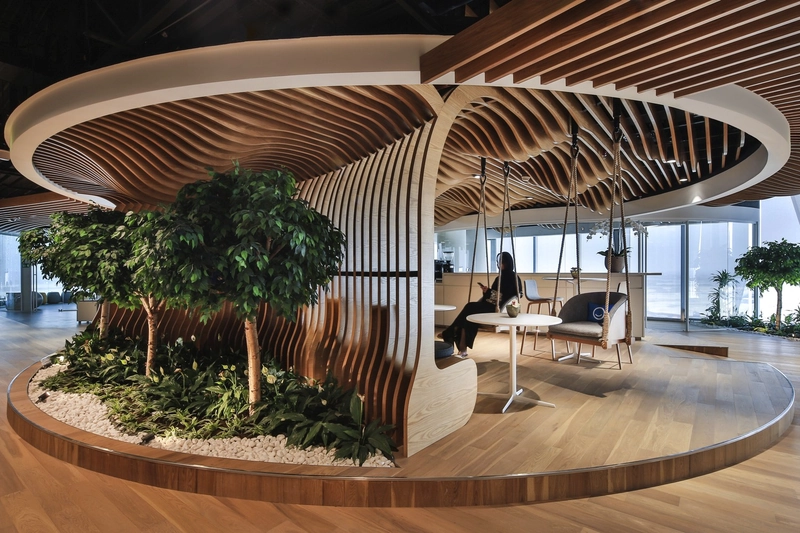
Idea 9 – Blurring Indoor-Outdoor Boundaries. Maximize natural light with floor-to-ceiling glass walls. For a multi-sensory experience, consider integrating a small indoor water feature or subtle nature sounds to mask urban noise.
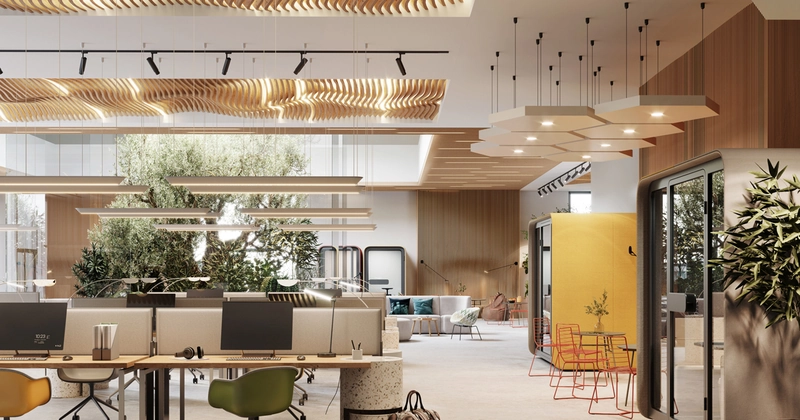
Idea 10 – Circadian Rhythm Lighting. Use smart tech that mirrors the sun’s natural cycle. Your lighting should automatically shift from a bright, energizing cool white during the day to a soft, warm amber glow (2700K-3000K) in the evening to support your body’s natural sleep-wake cycle.
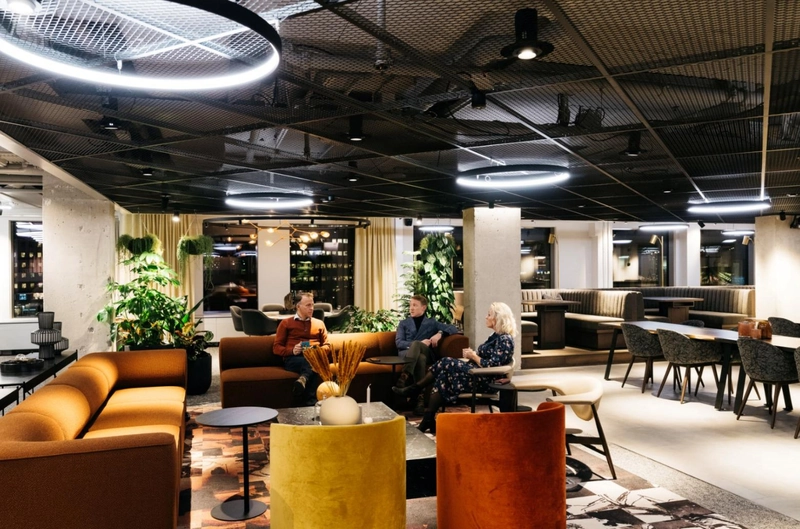
Idea 11 – Bold Color Pops. Keep the neutral contemporary base but go big with saturated accent colors like cobalt blue, terracotta, or emerald green.
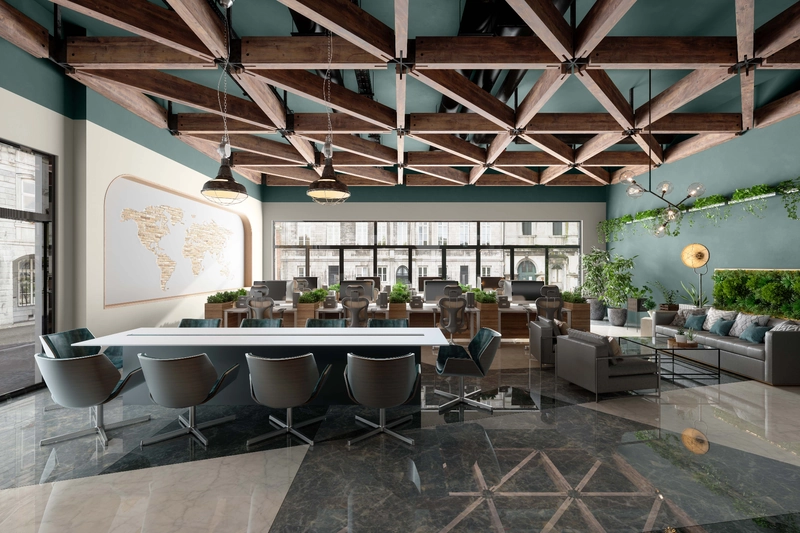
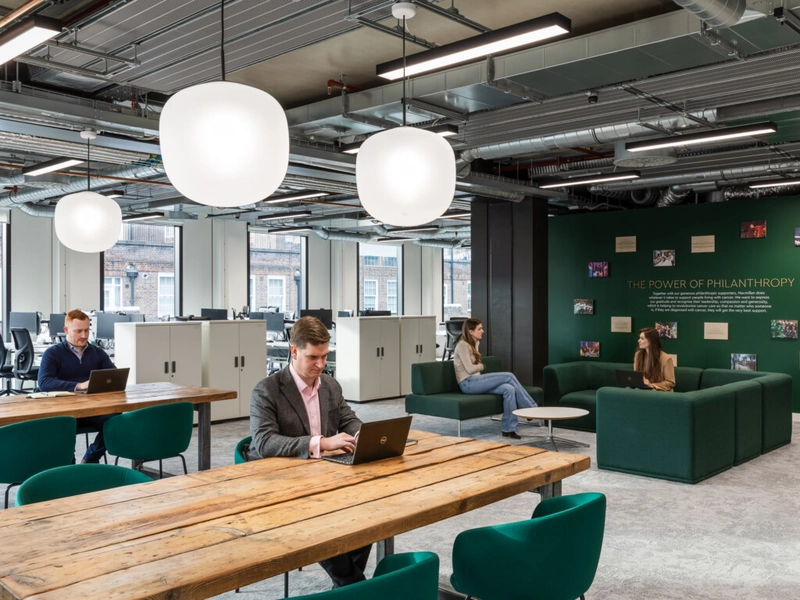
Idea 12 – The Material “Mashup.” Mix and match textures in a single room – think high-shine metals and glass paired with raw, rustic wood and leather.
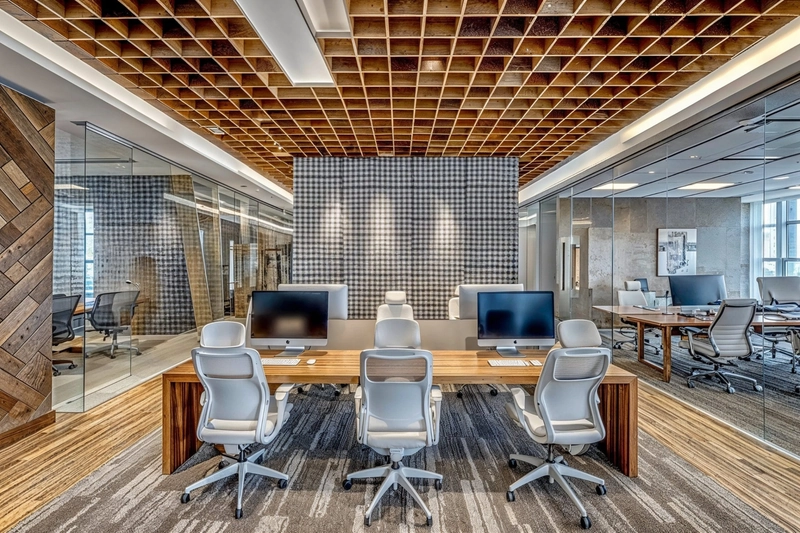
Idea 13 – 5-Star Ambient Lighting. Incorporate hidden LED strips in ceiling coves, wall niches, and joinery to create that warm, diffused glow typical of a luxury boutique hotel.
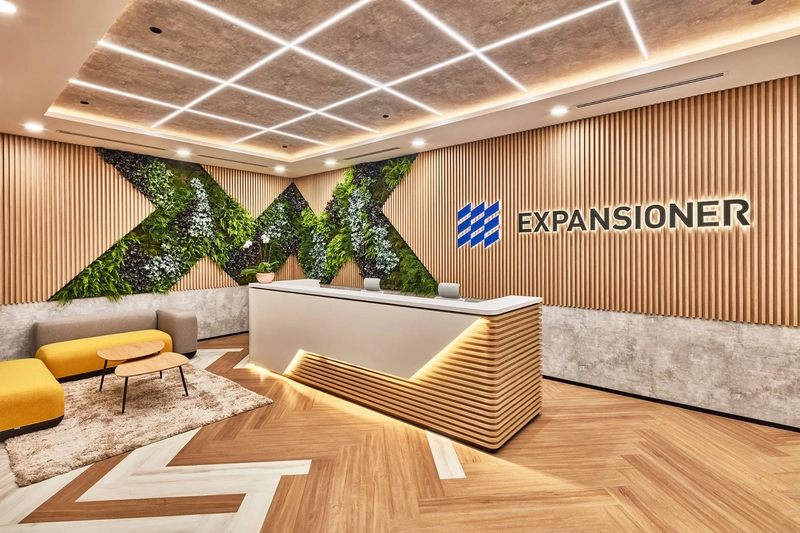
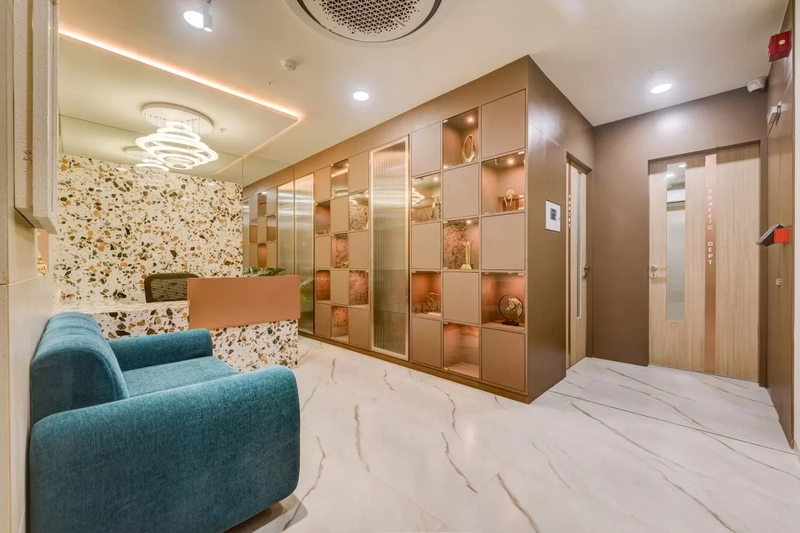
Idea 14 – Seamless Textures. Use large-format porcelain or marble slabs with continuous natural stone veining or sleek micro-cement finishes on walls and ceilings for a unified, sophisticated look.
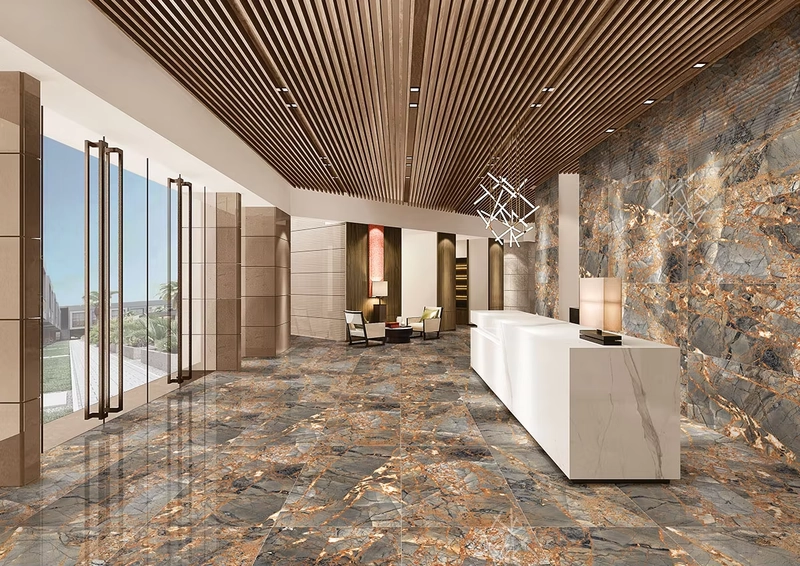
Idea 15 – Clean Silhouettes. Select furniture with crisp, straight lines or soft, organic curves. The best contemporary interior design furniture avoids unnecessary ornament and instead highlights form, comfort, and material quality.
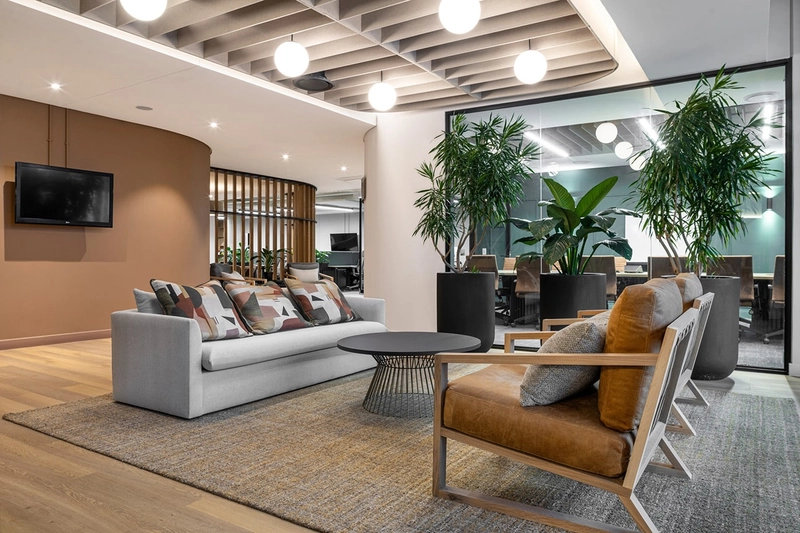
Contemporary interior design in 2026 is not the stripped-down, clinical aesthetic it once risked becoming. Instead, the contemporary style of interior design is quieter, warmer, and more intentional, while still leaving room for innovation, personality, and long-term functionality.
The interior design landscape this year is quieter, warmer, and more intentional – moving away from stark minimalism toward layered spaces, natural materials, and color palettes that feel grounded and personal. The best contemporary spaces are those that hold their structure, serve their purpose, and still feel like somewhere a person would choose to be.
Whether you are shaping an office, showroom, or hospitality project, a well-executed interior contemporary design approach can keep the space relevant, flexible, and visually strong for years to come.
Crystal Design – We work to inspire
|
Crystal Design – We work to inspire. Contact us for consultation and site survey:
|