

Indochine style explained: Modern architectural applications and leading design trends for 2026.
The Indochine style seamlessly bridges the romantic elegance of French architecture with the soulful, rustic traditions of Southeast Asia, striking a perfect balance between nostalgic beauty and contemporary living. Today, architects and interior designers are heavily leaning into this aesthetic to elevate modern spaces. From high-end residential projects to luxury hotels across Southeast Asia, Indochine design brings a sense of refined elegance that feels authentic, deeply rooted, and perfectly aligned with the modern desire for tranquil, experiential living spaces.
1. Introduction: The Timeless Charm of Indochine Style
1.1. What is Indochine Style?
The term “Indochine” (French for Indochina) originally referred to the Southeast Asian peninsula, including Vietnam, Laos, and Cambodia.
In the world of architecture and interior design, the Indochine style represents a masterful fusion:
- It takes the classic, structured elegance of Western architecture, specifically French, and marries it with the rich, traditional heritage of Eastern cultures.
- The true brilliance of Indochine design lies in its practical adaptation. Early designers realized that European structures could not withstand the harsh, humid tropical climate. As a result, they tailored their designs by incorporating high ceilings, expansive corridors, arched windows, and breathable, locally sourced materials like wood, bamboo, rattan, and cement tiles.
The outcome is a distinct, harmonious style that feels both grand and incredibly grounded.
1.2. Historical Context and Evolution
The roots of the Indochine style trace back to the French colonial era in Southeast Asia, spanning roughly from the late 19th to the mid-20th century. The aesthetic truly took shape around 1923, championed heavily by the visionary French architect and urban planner Ernest Hébrard, who pushed for the creative integration of local building materials and indigenous motifs.
Rather than fading into history, the style has continuously evolved. Today’s “Modern Indochine” aesthetic strips away some of the heavier, overly ornate historical details, favoring a cleaner, more minimalist approach while retaining the unmistakable soul of the original designs. This seamless transition between the past and present ensures that the Indochine style remains not only relevant but highly sought after in modern architectural applications.
2. Signature Characteristics of Indochine Style Interior
2.1. Fusion of Tropical and Elegant Color Palettes
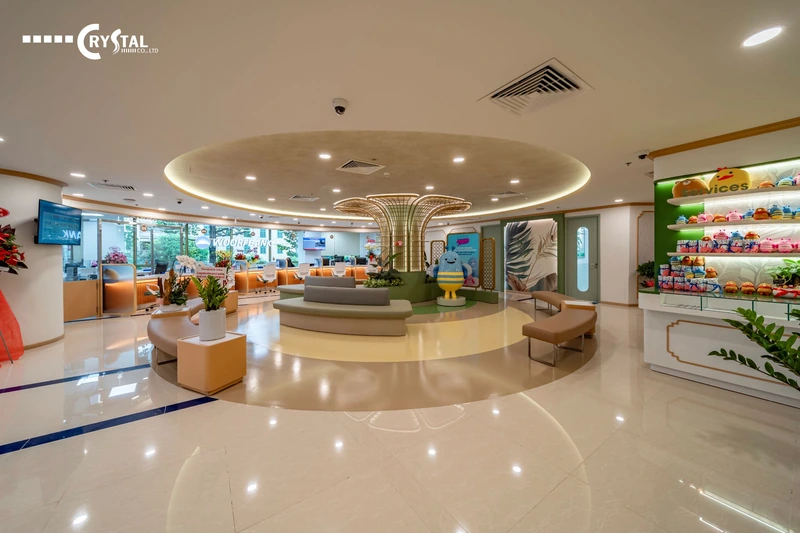
The Indochine style’s color palette is designed to evoke both the refined elegance of French salons and the vibrant pulse of a tropical landscape.
Light background color:
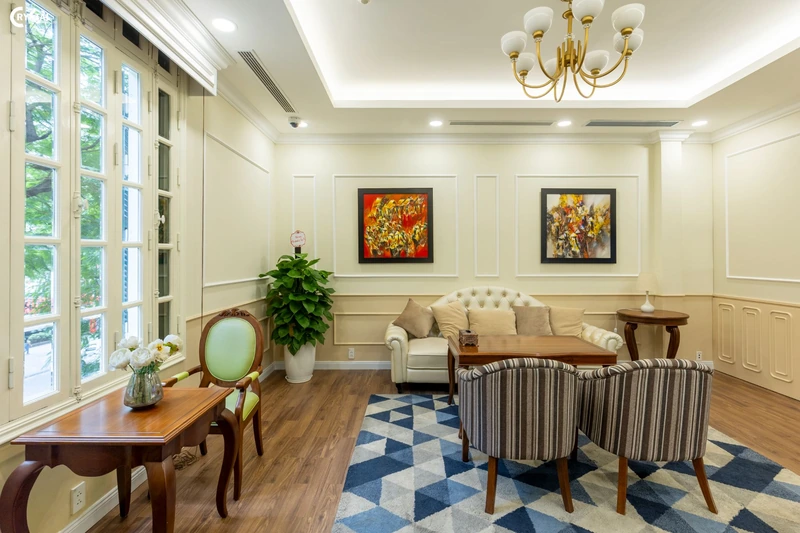
- The aesthetic relies heavily on a foundational base of soft, neutral tones – think creamy whites, warm beiges, soft yellows, and earthy browns.
- These light background colors not only create a sense of expansive, breathable space but also help offset the harshness of the tropical heat.
Bold tropical hues:
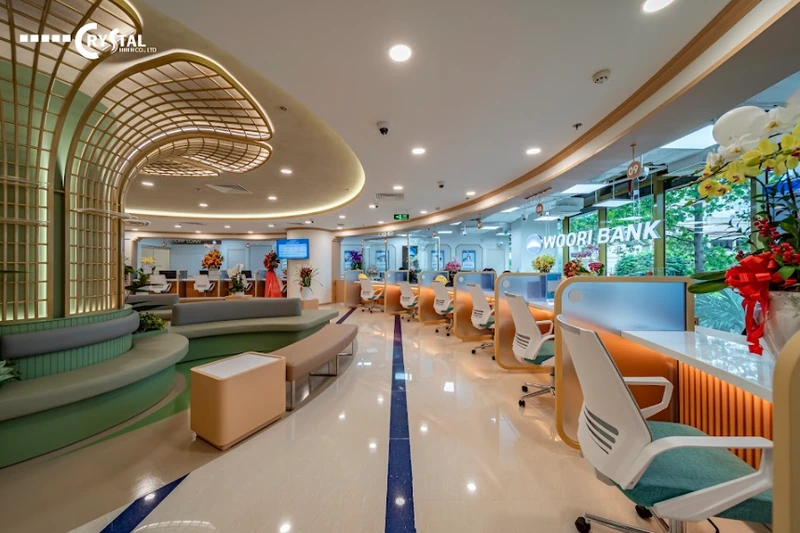
- Against the calm backdrop, bold tropical hues served as striking accents. Deep indigo, emerald green, earthy terracotta, and rich crimson bring the space to life.
- In more modern and luxurious interpretations, designers might even incorporate unexpected shades like Tiffany Blue to inject a sense of regal sophistication.
This deliberate contrast between understated neutrals and vivid, nature-inspired colors gives Indochine interiors their unmistakable warmth and depth.
2.2. Traditional Materials
The material palette of Indochine design is one of its most powerful assets in a workplace context. Each material carries both functional and psychological benefits that directly support professional environments.
Hardwood (mahogany, rosewood, reclaimed timber):
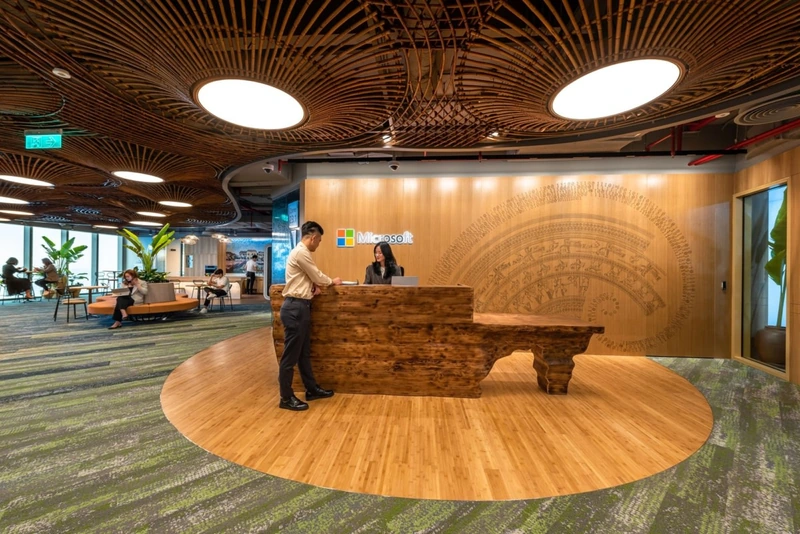
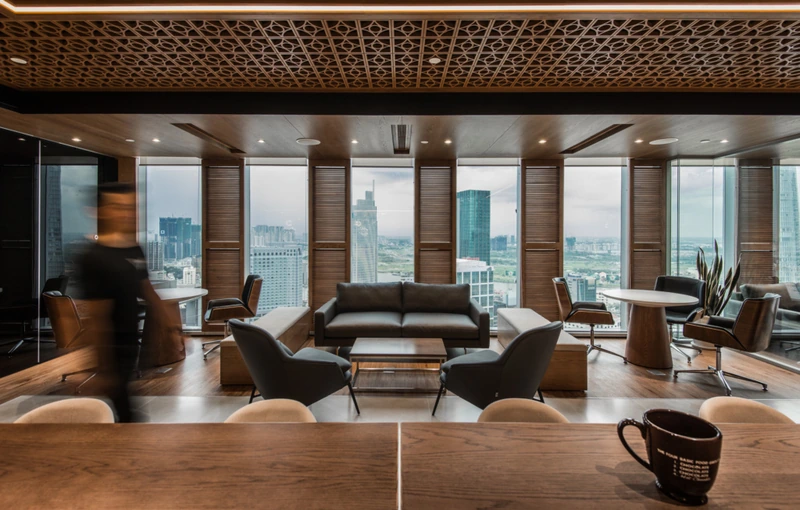
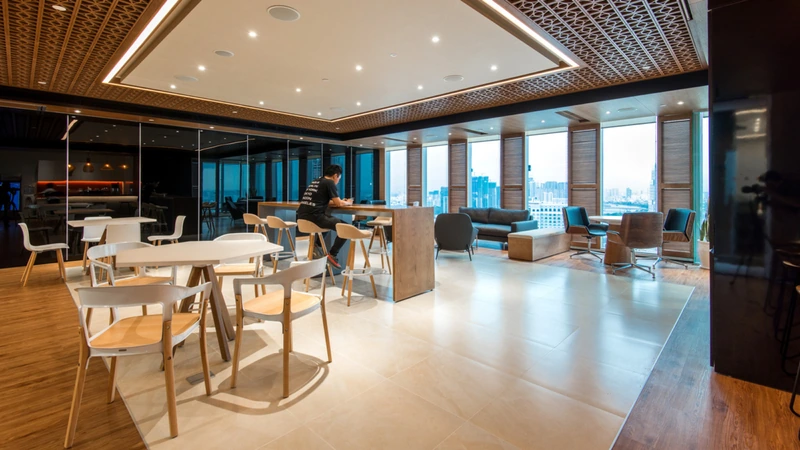
Dark-toned hardwoods are the structural and visual anchors of any Indochine-influenced office. Used in reception desks, executive furniture, wall paneling, and custom shelving, premium timber communicates permanence and quality. Acoustically, wood panels help manage sound – a critical concern in open-plan offices.
Rattan and bamboo screens:
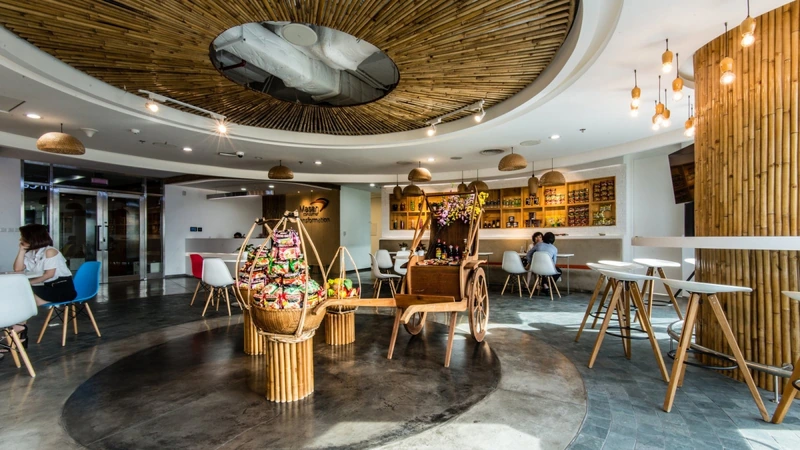
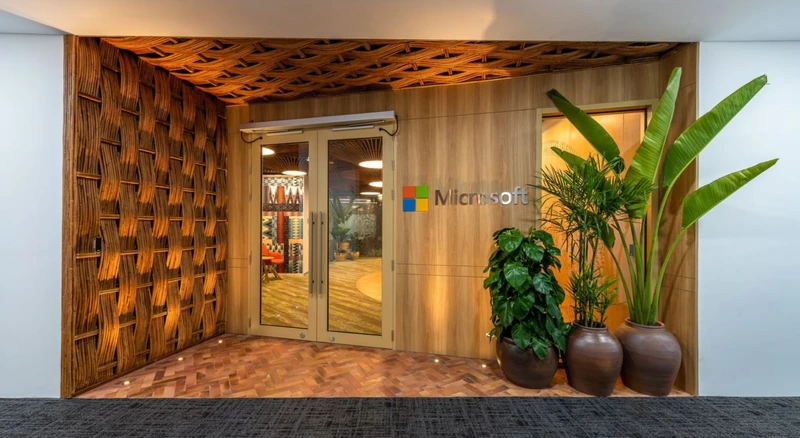
One of the most versatile elements for contemporary office design. Woven rattan panels function beautifully as space dividers between open-plan workstations and private meeting areas, as decorative cabinet fronts for storage walls, and as ceiling features in reception or lounge zones. They introduce texture and warmth while remaining entirely professional in character.
Patterned cement tiles (“Gạch bông”):
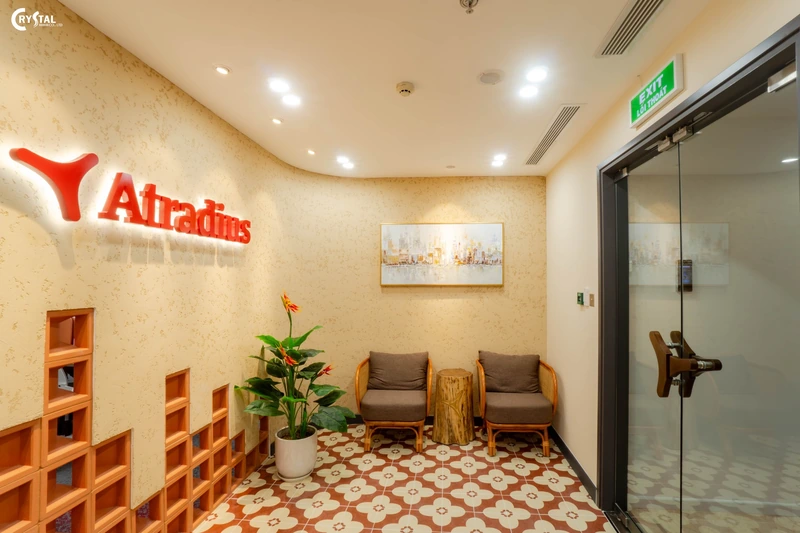
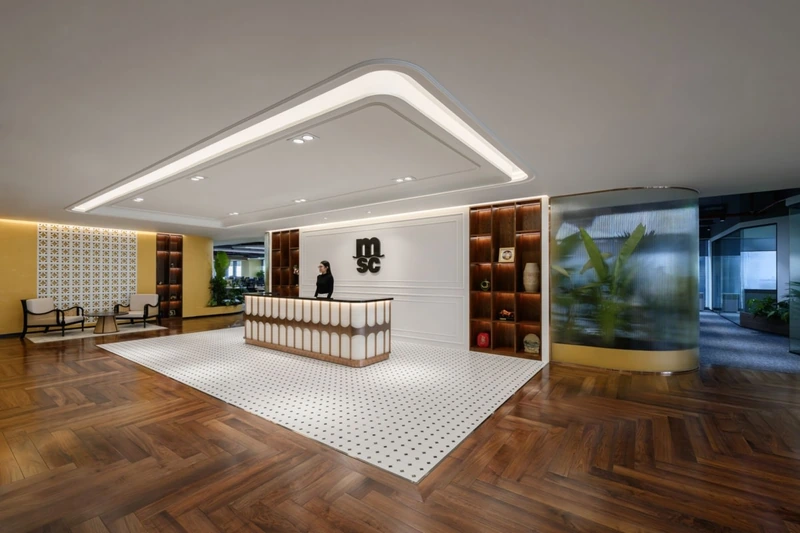
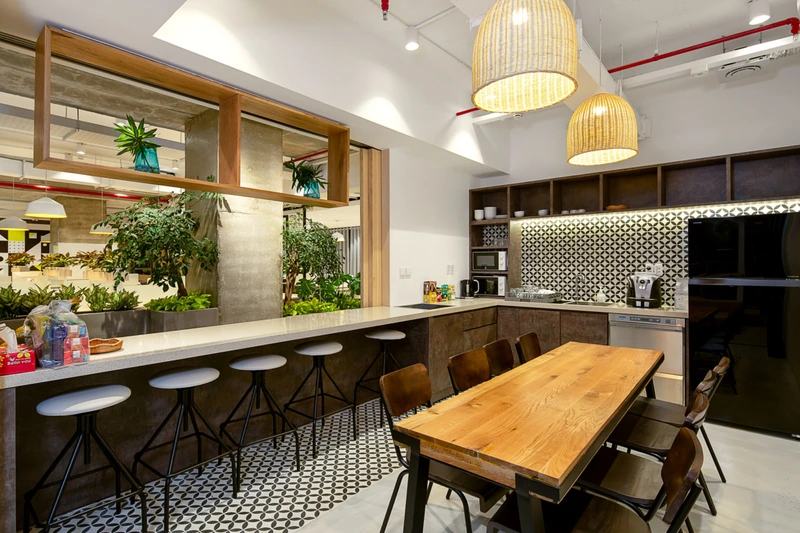
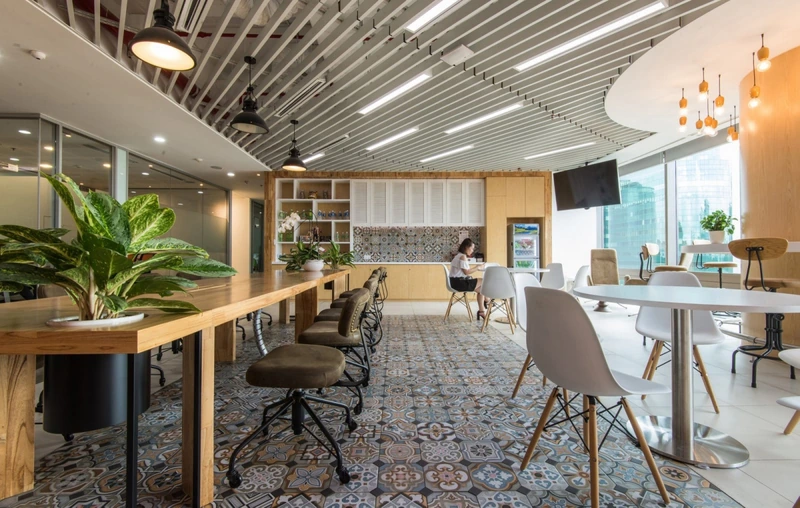
In reception areas, circulation corridors, and breakout zones, patterned cement tiles introduce visual interest and cultural depth at the floor level — a zone often overlooked in standard office fit-outs. Their thermal properties also make them practical for the Southeast Asian climate.
Raw stone and unpolished concrete:
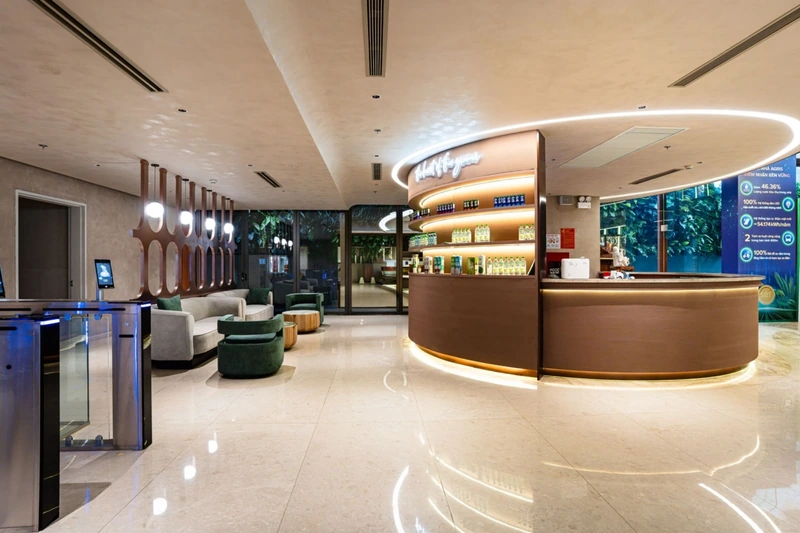
Modern Indochine office design frequently pairs traditional warm elements with the raw honesty of natural stone. A reception counter in unpolished granite or laterite stone, set against a backdrop of warm timber shelving, creates a composition that feels both contemporary and deeply rooted.
Wrought iron details:
Used sparingly in staircase railings, partition frames, and light fixtures, matte-black or antique-finish wrought iron provides a precise architectural accent that references French colonial heritage without overwhelming the space.
Terracotta Tiles:
Valued for their earthy, red-orange hue and slightly rustic texture, terracotta tiles are utilized in break-out corridors, rooftop terraces, and semi-outdoor transitional spaces. Beyond their heritage aesthetic, they are excellent thermal regulators – a practical advantage in tropical commercial buildings where energy efficiency matters.
Fine Ceramics:
Curated ceramic pieces – vases, sculptural objects, and decorative panels featuring traditional crackle glazes or hand-painted motifs – are deployed at reception desks, client-facing meeting rooms, and executive suites to communicate brand culture and cultural intelligence.
2.3. Traditional, Distinctly Asian Decorative
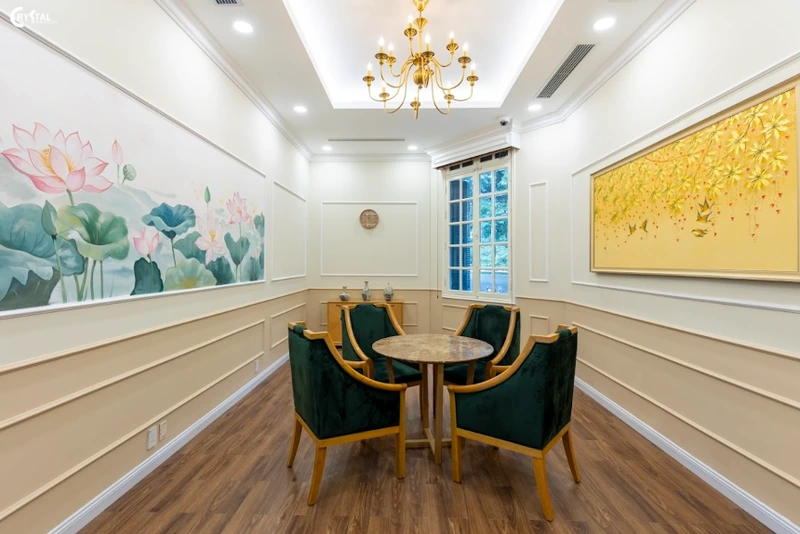
Motifs in Indochine design, decoration goes far beyond mere aesthetics; it tells a story. The motifs woven into fabrics, carved into wood, and baked into tiles carry profound cultural significance. You will frequently encounter classic geometric patterns, alongside natural imagery like lotus flowers, banana leaves, and cranes. These intricate motifs ensure that the space feels deeply rooted in Eastern heritage.
2.4. I Ching and Feng Shui
A truly authentic Indochine commercial space is not just arranged for visual pleasure; it is meticulously organized to foster positive energy and high performance, drawing on ancient Eastern philosophies like the I Ching (Book of Changes) and Feng Shui – principles that are increasingly recognized by forward-thinking corporations as foundations for employee well-being and business success.
The concept of Yin and Yang:
It is expressed through the interplay of solid and open elements in office layouts – for instance, closed-off executive offices (Yang) balanced by open collaborative terraces (Yin). Traditional slatted wooden doors – with a carved upper section (Yin/hollow) and solid lower panel (Yang/solid) – are used in executive suites and meeting rooms to balance transparency and privacy.
Five Elements (Metal, Wood, Water, Fire, Earth):
Designers balance these elements through materials and spatial programming – integrating water features in reception lobbies, wooden textures across workstation clusters, metal details in structural frames, and natural light (Fire) through generous window openings.
Advanced workspace layouts may utilize the Bagua (an 8-sided octagonal layout) or the Nine Palaces (a 9-square grid system) to inform ceiling design, furniture positioning, and door placement — believed to gather positive Qi at the heart of the workspace, ensuring organizational harmony, team cohesion, and long-term business prosperity.
3. 20+ Indochine Design Inspiration Ideas for 2026’s Projects
As we look ahead to 2026, the Indochine style is proving its incredible versatility. It has evolved into a highly adaptable design language capable of elevating everything from sleek urban apartments to sprawling luxury resorts.
3.1. The Executive Suite and Director’s Office
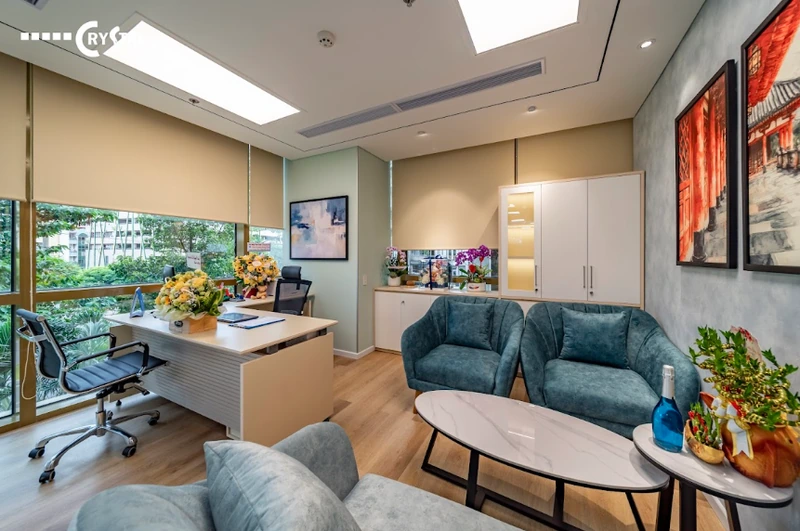
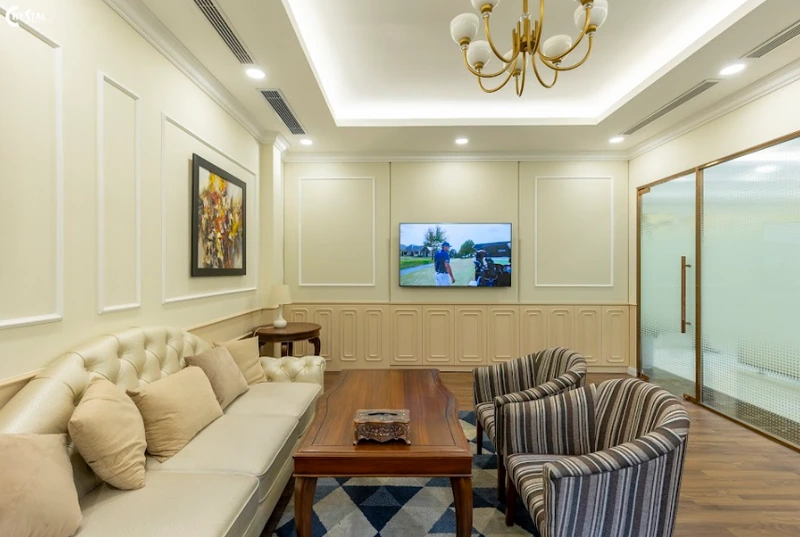
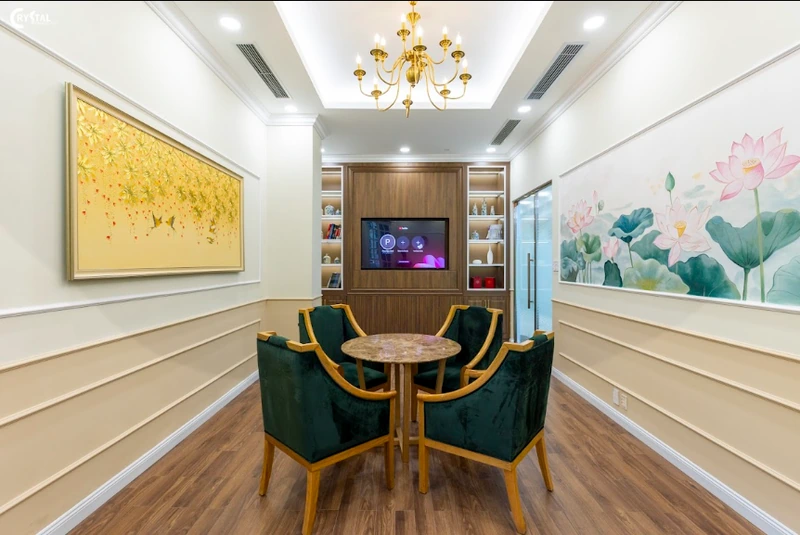
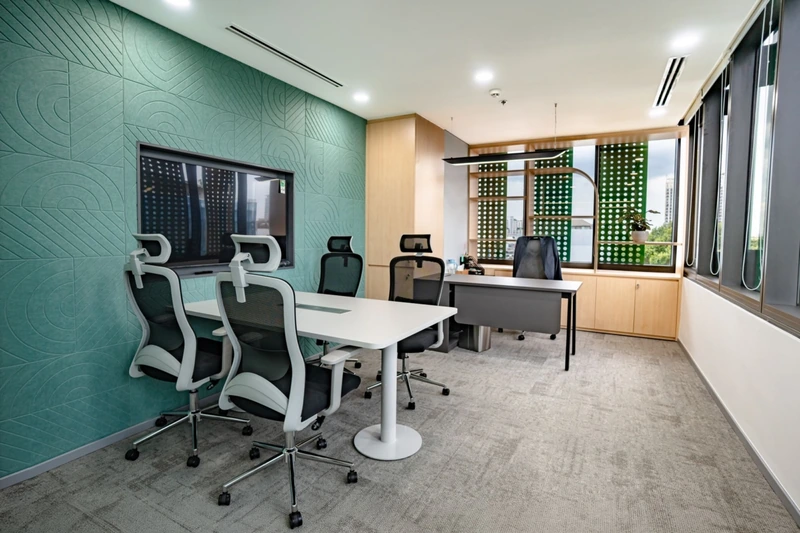
The director’s office is perhaps the environment where Indochine design most naturally excels. Heavy hardwood desks, carved wooden bookshelves, a low Zen tea table for informal discussions, and large sliding doors that frame a view of greenery or an internal garden courtyard – these elements combine to create a workspace of authority, calm, and cultural intelligence.
In 2026, the trend is toward integrating a dedicated hospitality corner within the executive suite: a space with traditional ceramic tea sets, a custom wooden credenza, and ambient rattan lighting that allows senior leaders to host client conversations in an environment that feels curated rather than corporate.
3.2. The “Energy-Restoring” Open Office
The dominant trend in office design for 2026 is the shift toward what workplace strategists call the “energy-restoring” environment – spaces that actively replenish cognitive and emotional resources rather than depleting them.
Indochine design is uniquely positioned to deliver this. Current applications include:
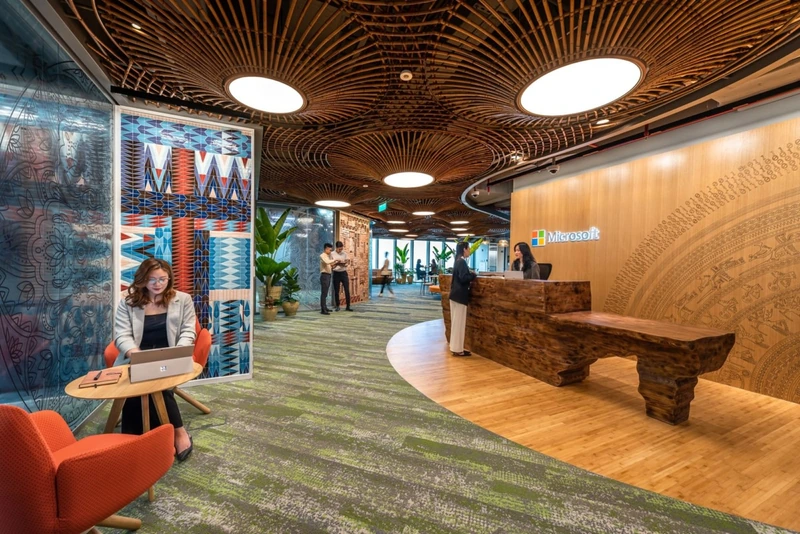
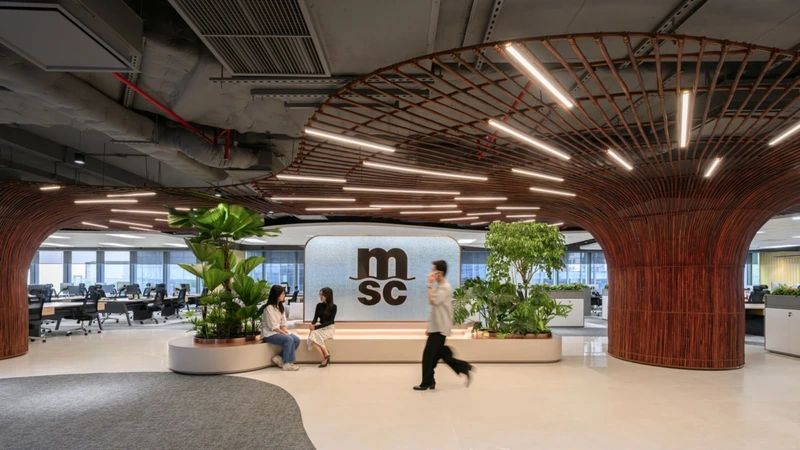
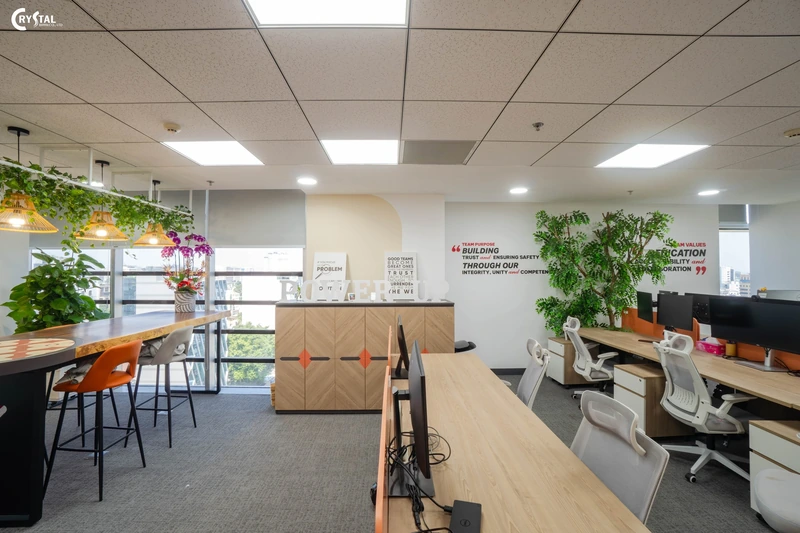
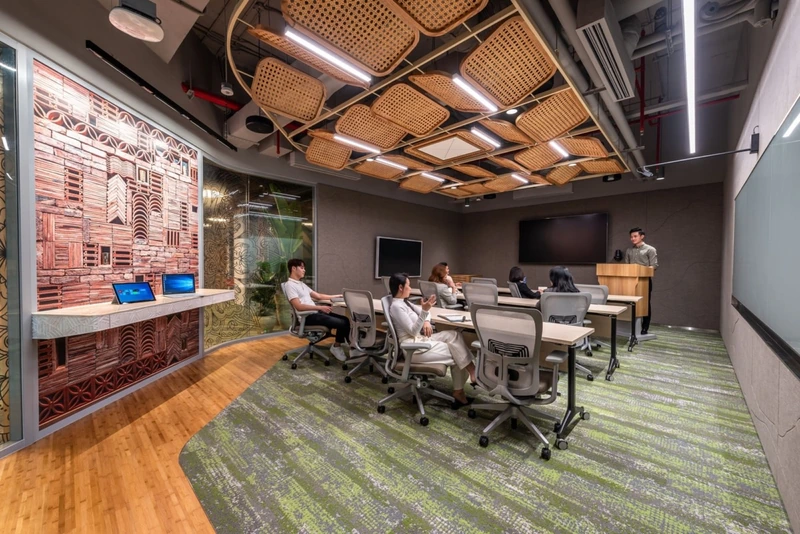
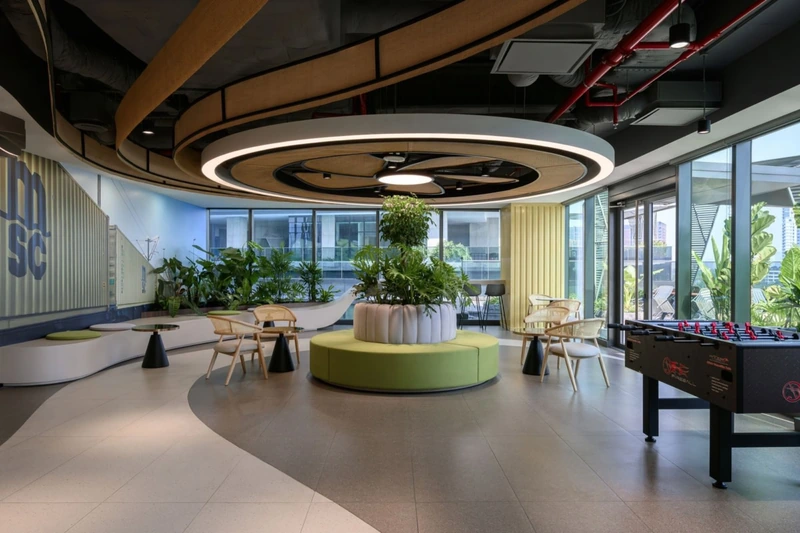
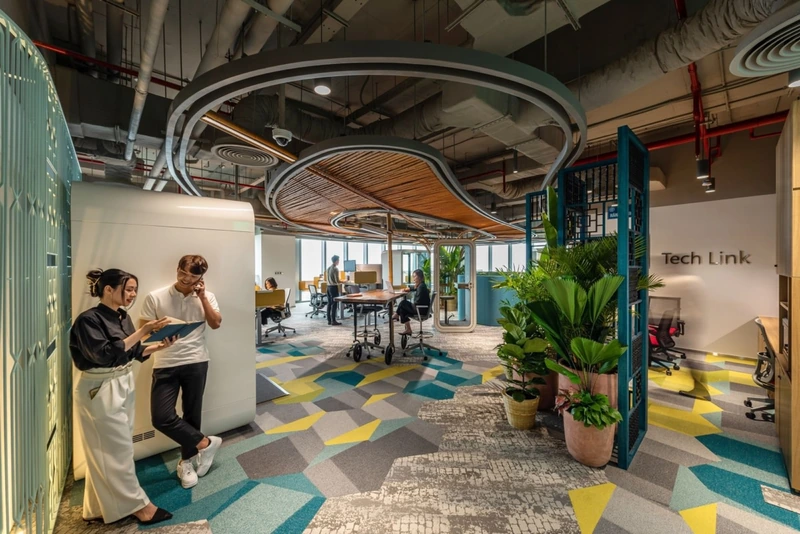
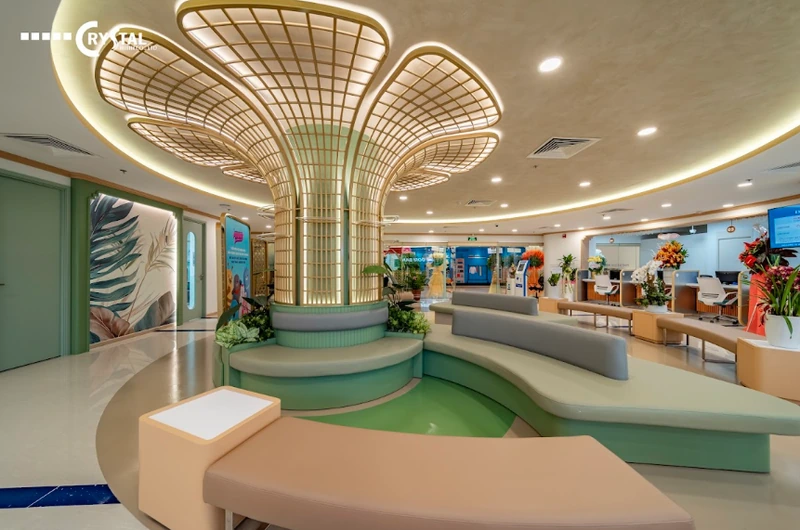
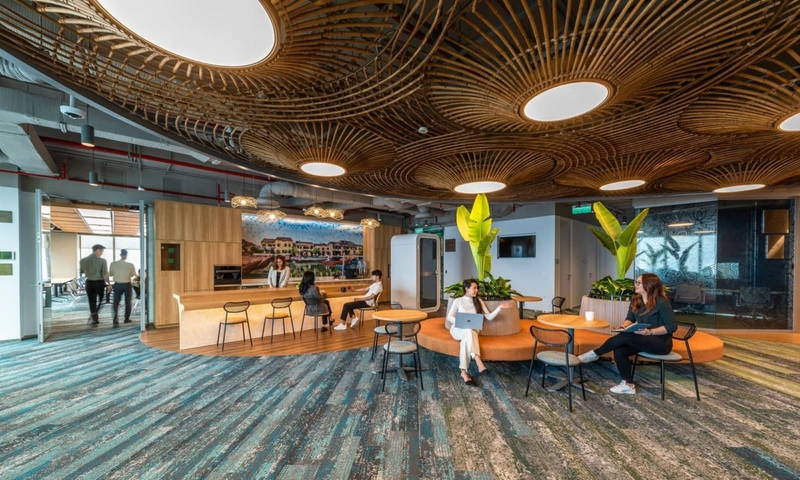
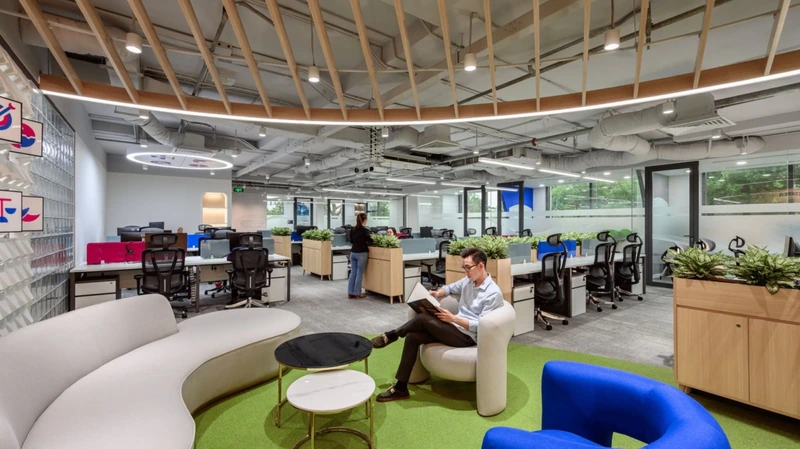
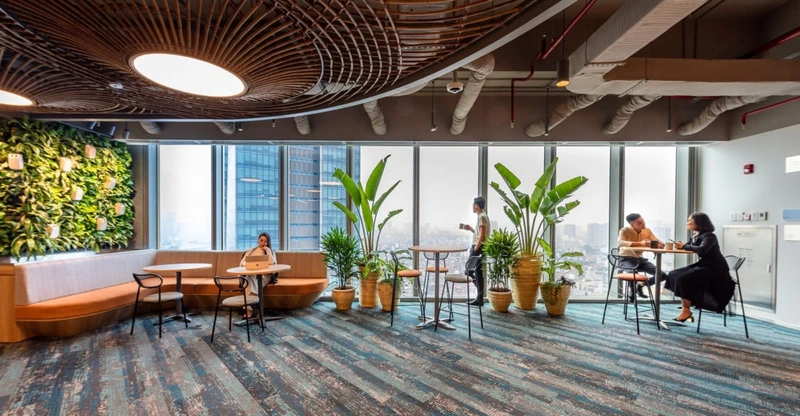
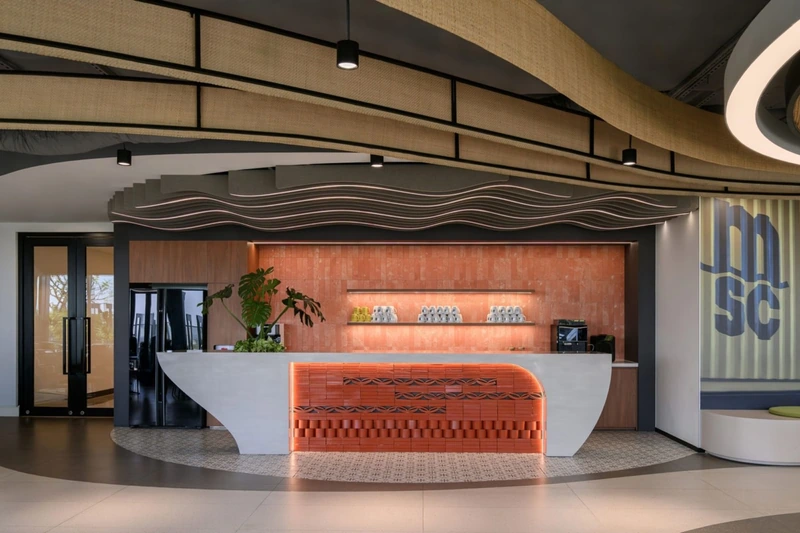
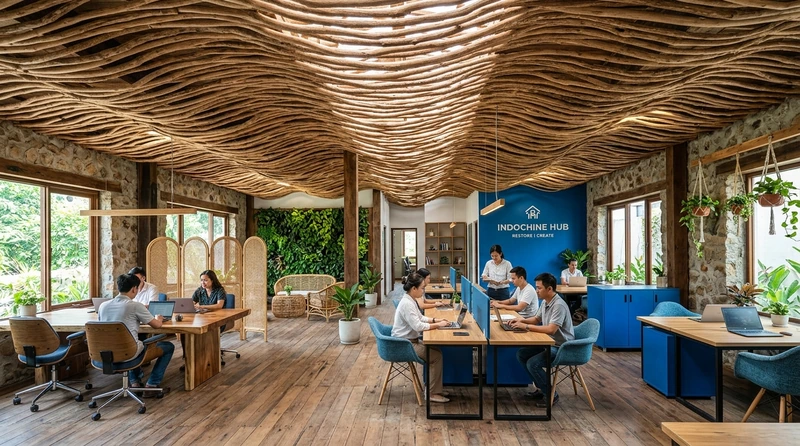
Organic ceiling structures: Wavy, sculptural ceilings crafted from natural timber branches or structured rattan dramatically transform the overhead plane – the most overlooked surface in standard offices – into a dynamic, biophilic feature that reduces the institutional feel of large open floors.
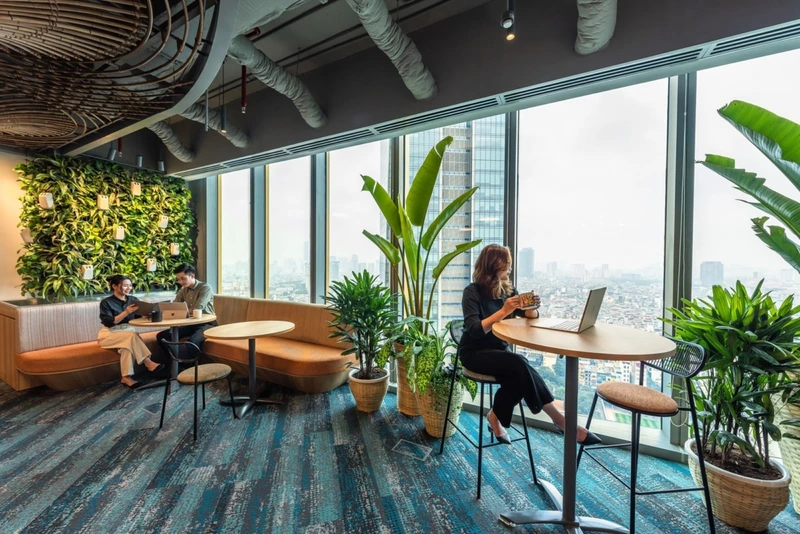
Integrated greenery and water: Indoor planted walls using tropical species (Monstera, Ficus, tropical ferns) combined with small water features at circulation nodes introduce both humidity regulation and stress-reducing natural elements.
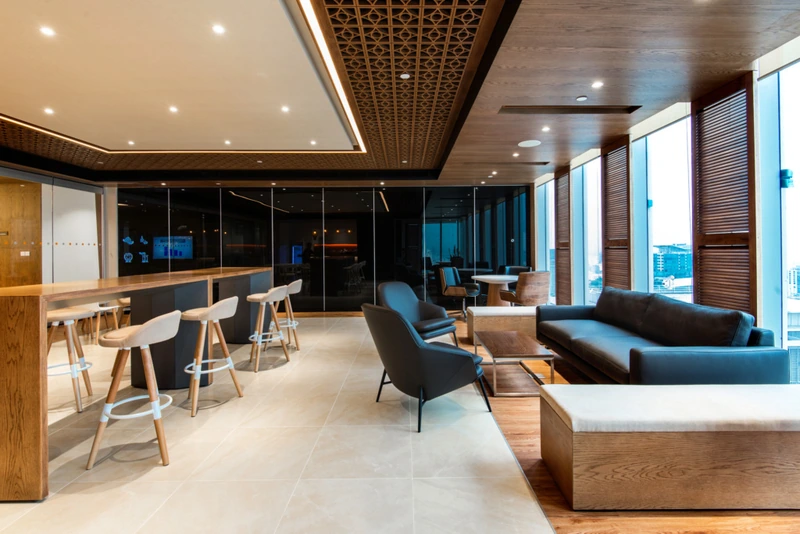
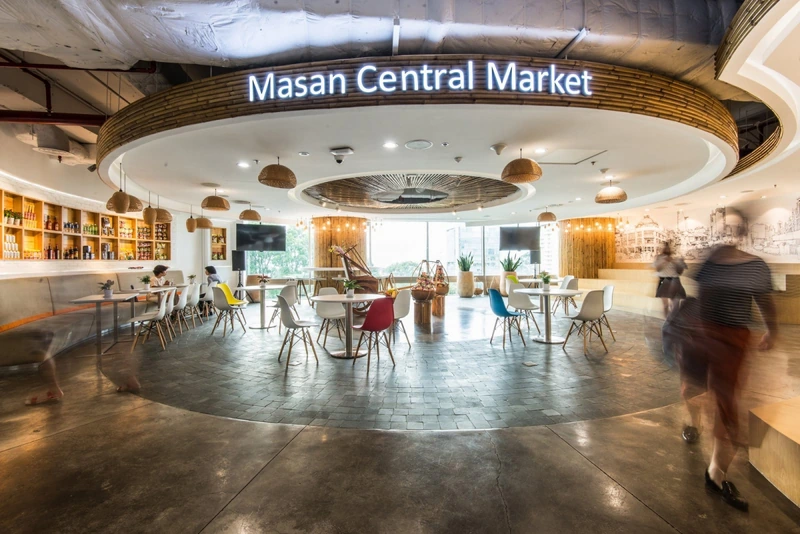
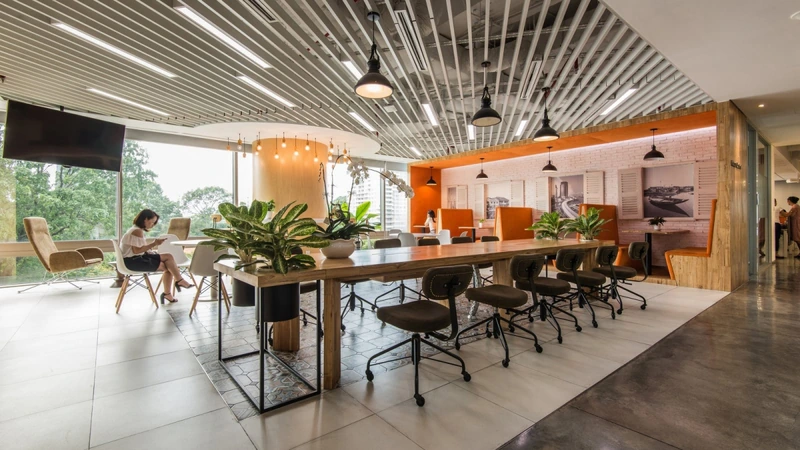
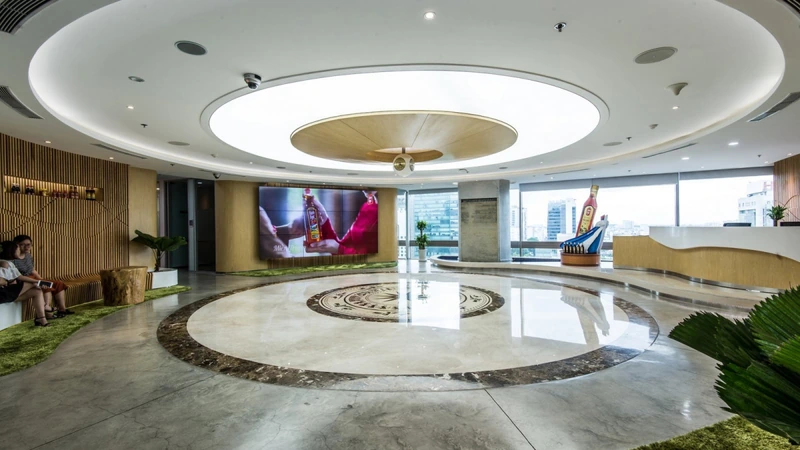
Material zoning: Rather than uniform finishes throughout, Indochine-influenced open offices use material transitions to signal spatial purpose. A shift from polished concrete to warm timber flooring, or from white plaster to raw stone cladding, communicates “you are moving from focus to collaboration” without a single sign or partition.
3.3. Reception and Client-Facing Zones
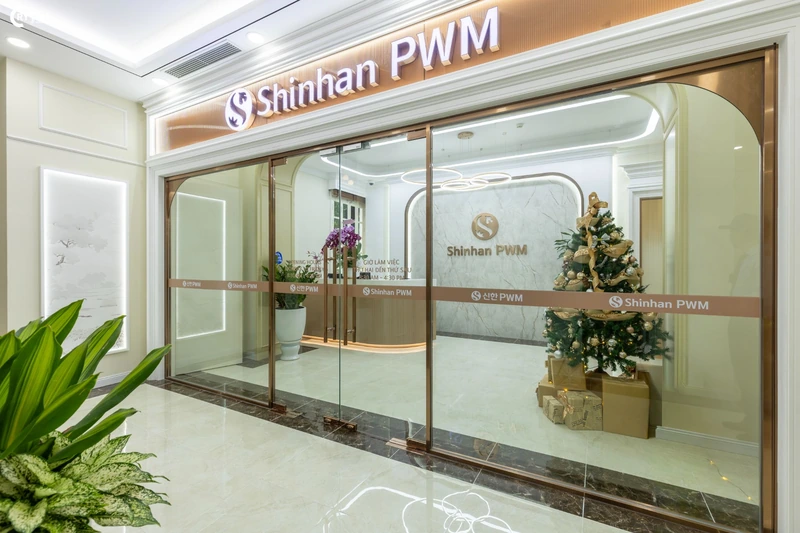
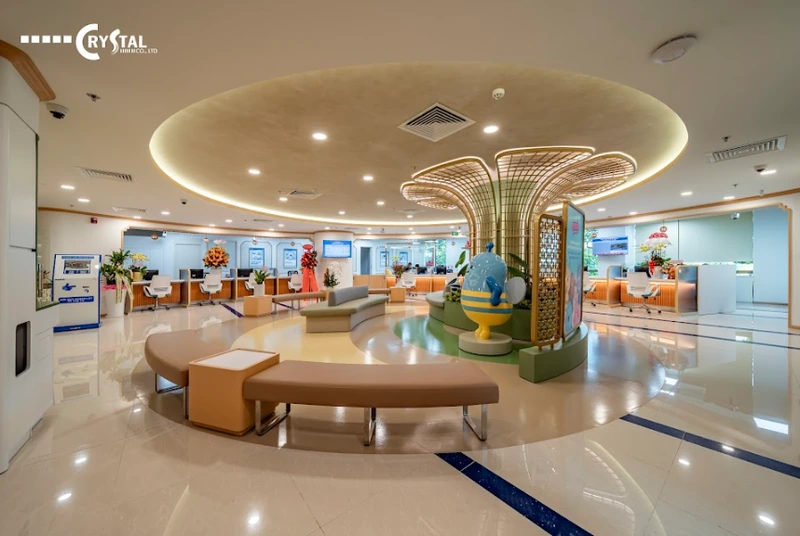
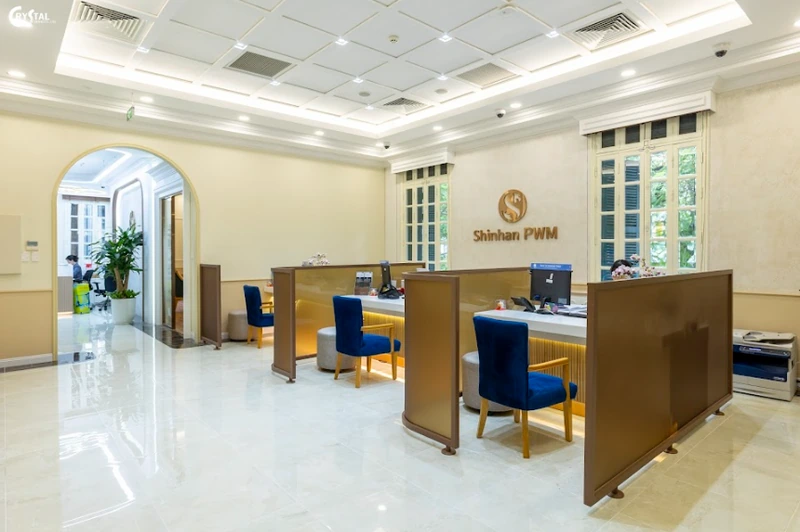
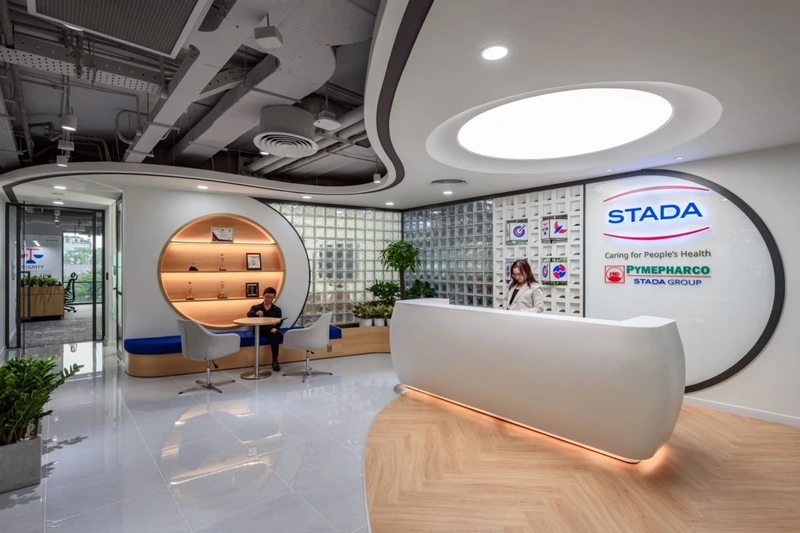
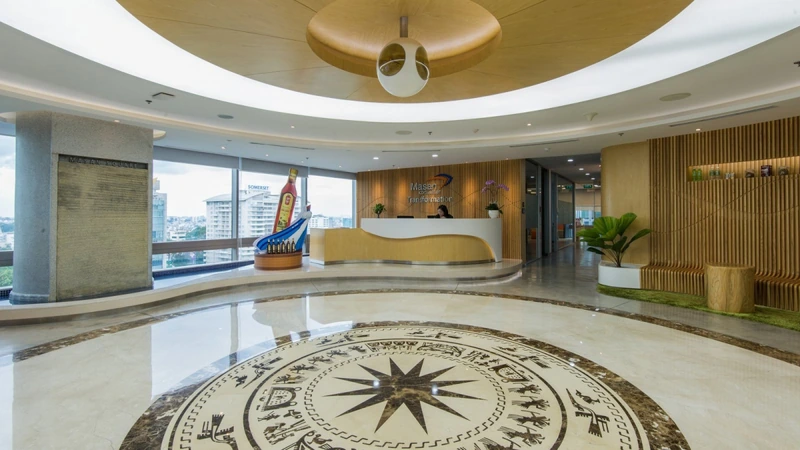
The reception area is the brand’s first physical handshake with every visitor. In Indochine-designed offices, this zone receives the highest concentration of design investment:
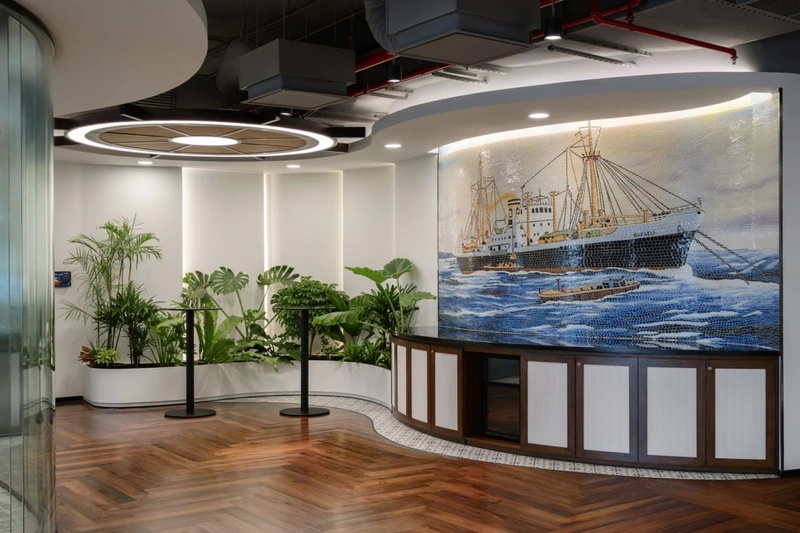
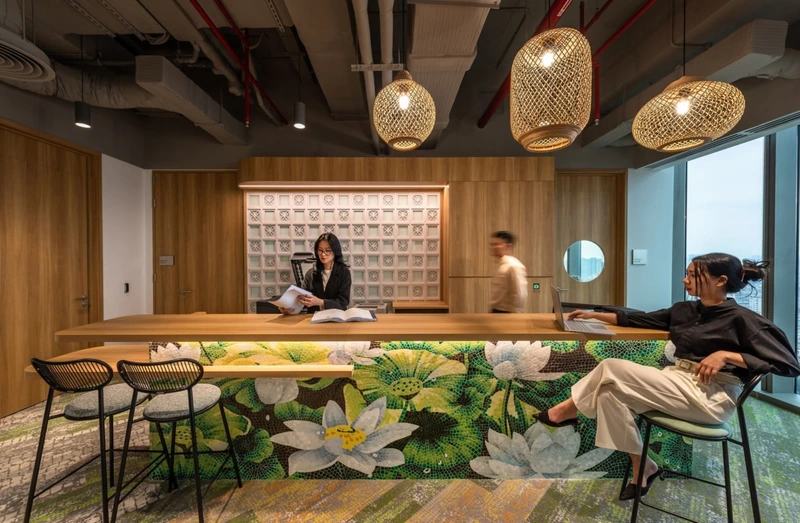
- Feature walls in raw laterite stone, decorative cement tiles, or hand-crafted ceramic panels establish immediate cultural depth
- The reception desk as a sculptural object – typically in dark hardwood with brass or iron details – functions as both functional furniture and brand statement
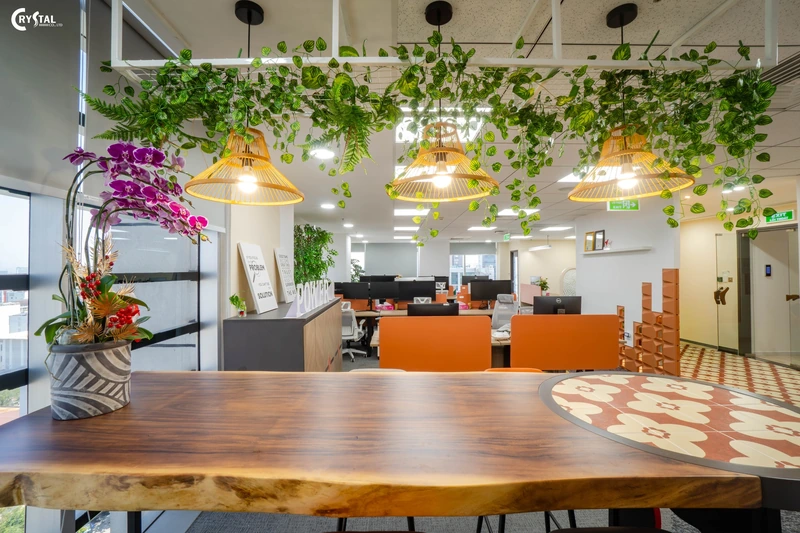
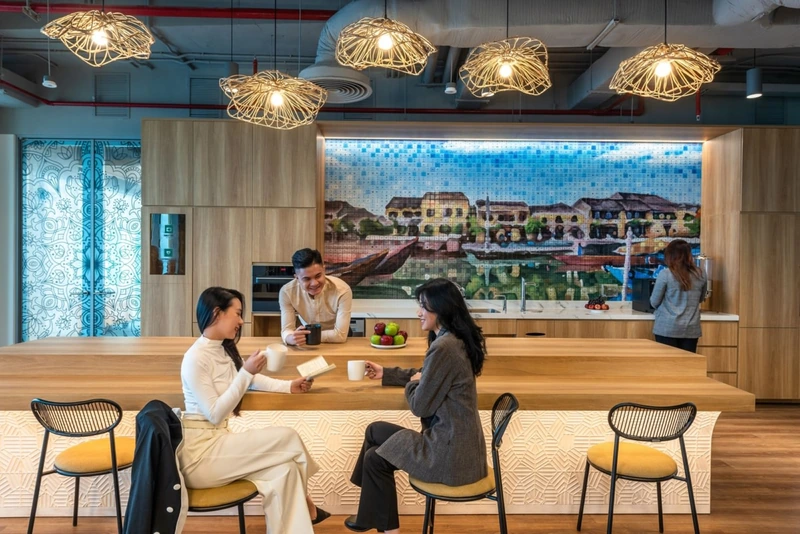
- Ceiling treatment using hanging rattan or silk lanterns alongside recessed LED creates layered, hospitality-grade lighting that signals warmth from the first moment
- Cultural motif integration through carved wooden panels, bronze sculptural elements, or hand-painted ceramic vases connects the corporate space to a broader cultural narrative
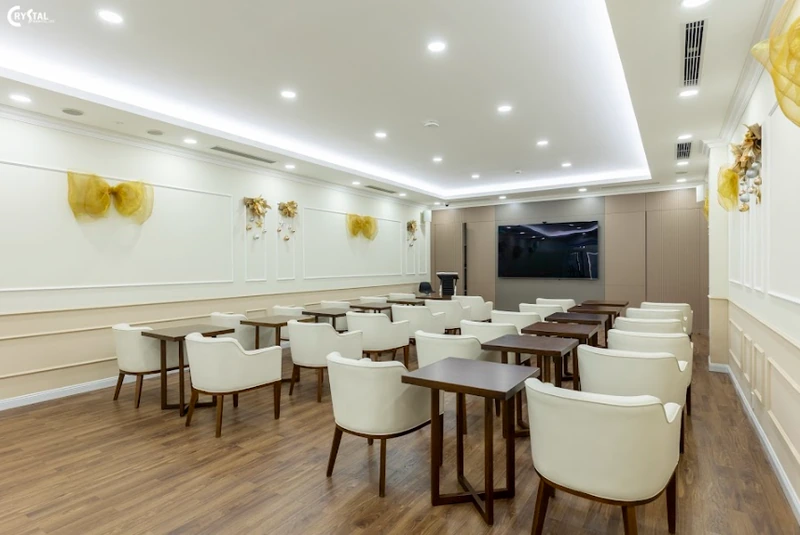
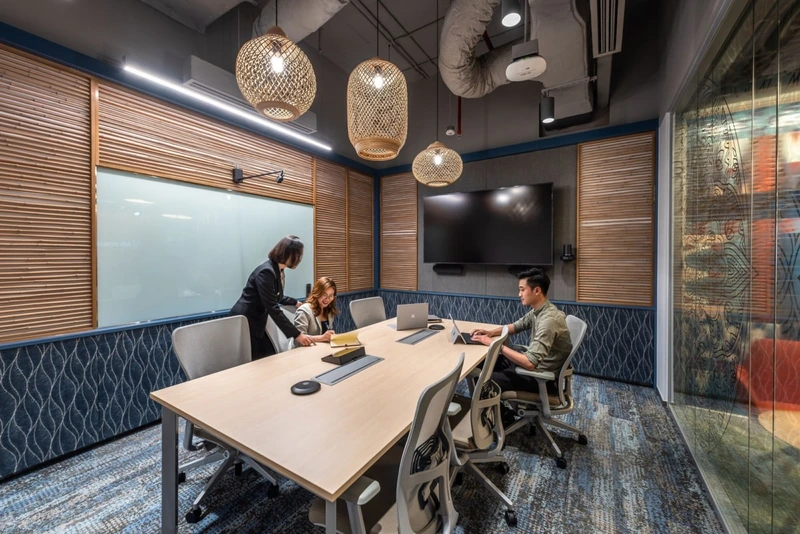
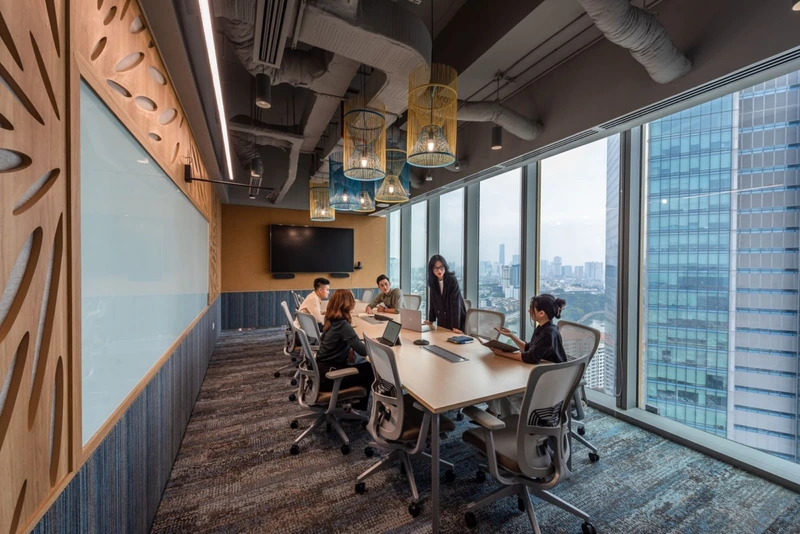
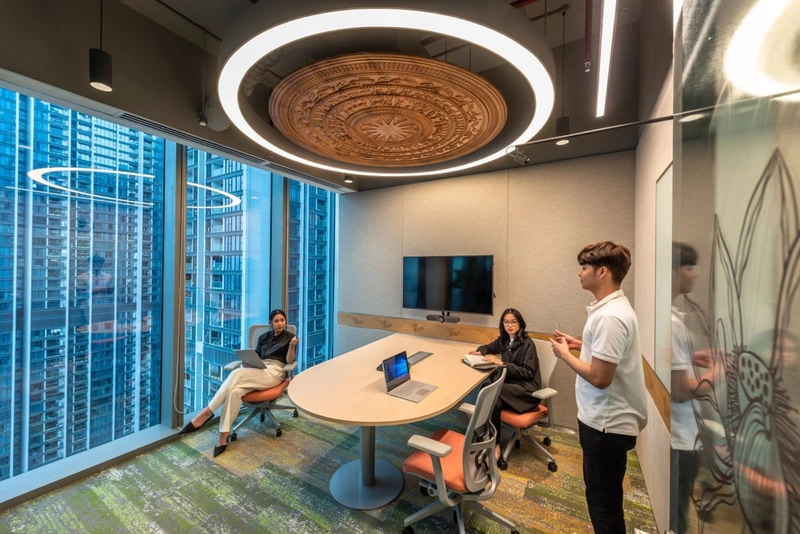
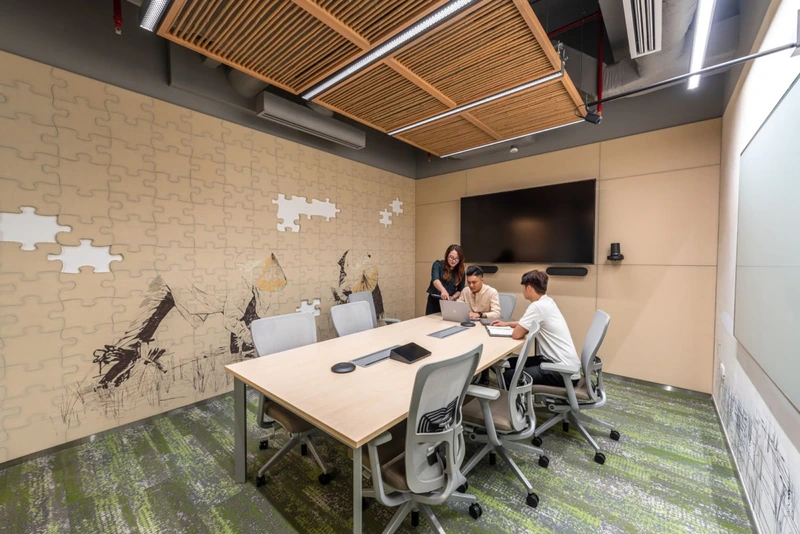
3.4. Meeting Rooms and Boardrooms
Meeting environments in Indochine-influenced offices are designed to facilitate both formal and informal dialogue through spatial comfort. Key applications include:
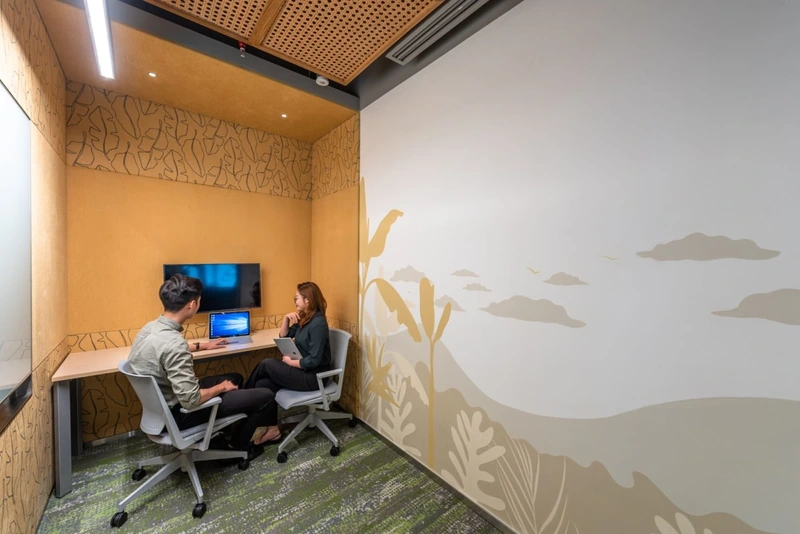
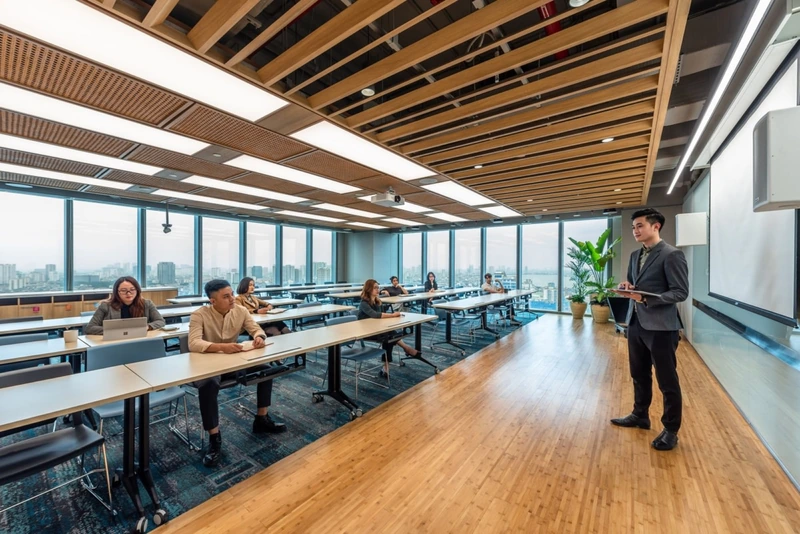
Acoustic rattan wall panels: Woven rattan surfaces are increasingly used as acoustic treatment in meeting rooms, solving a functional problem while adding authentic material warmth.
Wooden table and seating compositions: Custom hardwood conference tables, often with subtle carved edge details, paired with leather or woven upholstery chairs, strike the precise balance between gravitas and comfort that productive meetings require.
Cultural hospitality integration: The traditional Vietnamese practice of tea and conversation is embedded into meeting room design through built-in wooden display niches for ceramic ware, creating a hospitality ritual that differentiates the client experience.
3.5. Co-Working and Creative Hubs
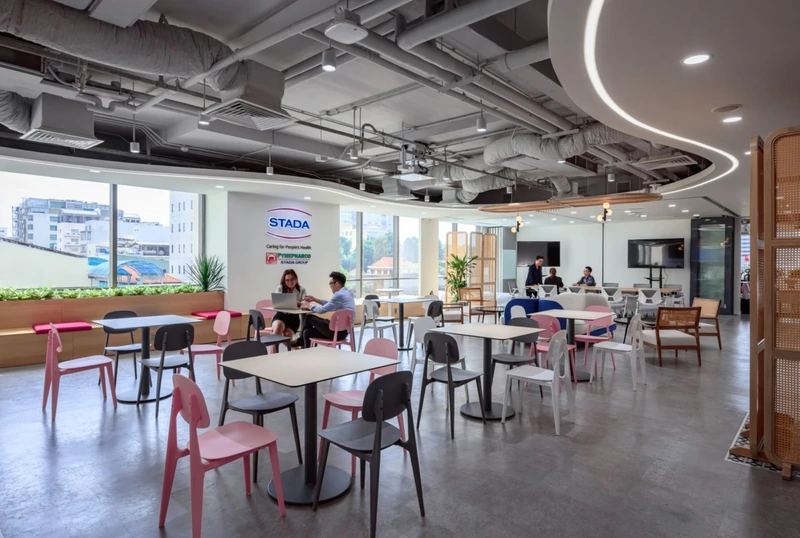
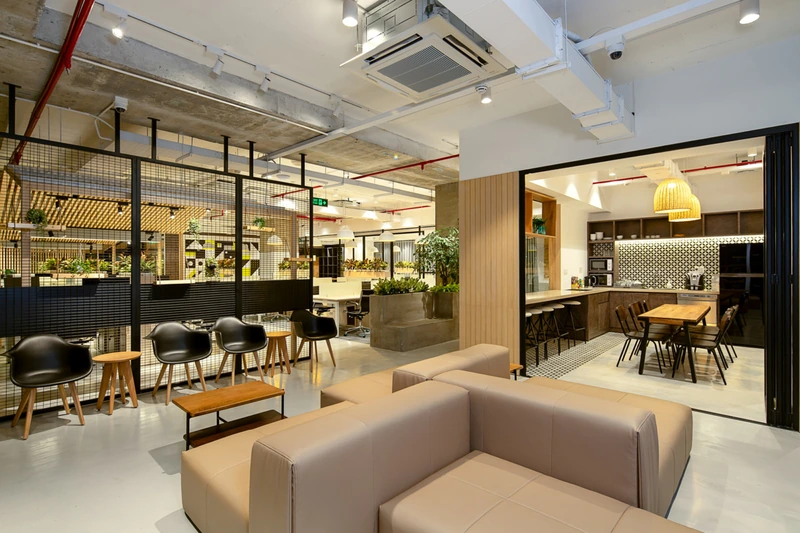
For co-working operators and creative spaces, Indochine design offers a powerful point of differentiation. The trend in 2026 is toward “heritage-contemporary” co-working environments that feel nothing like generic shared office spaces:
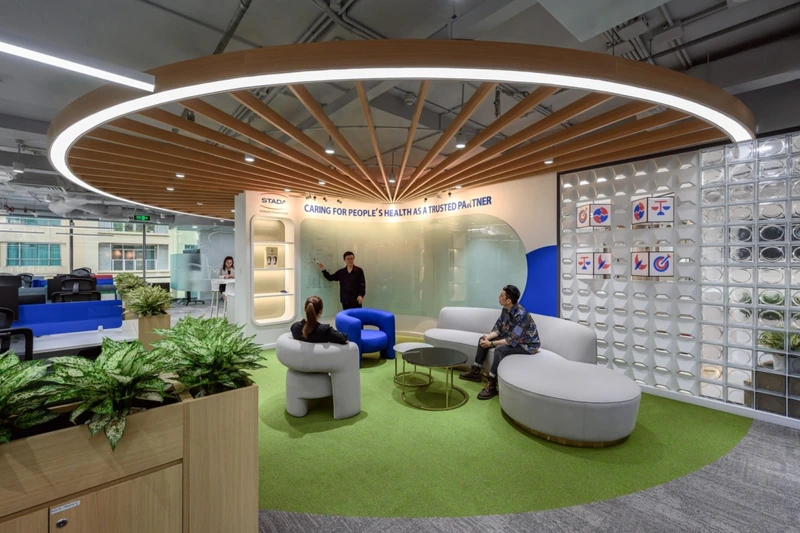
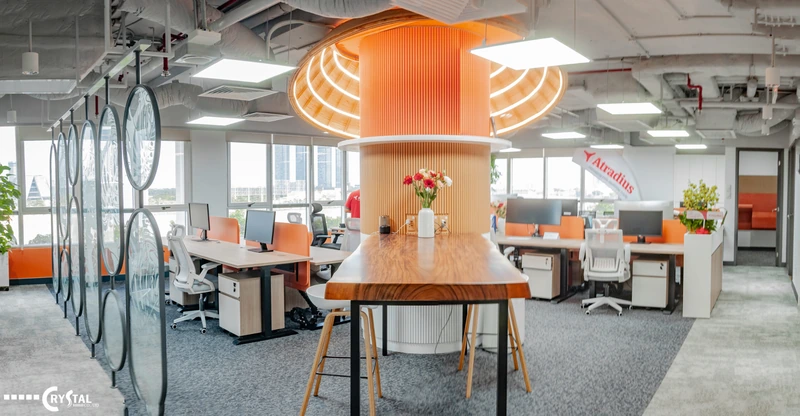
- Brand colors integrated into Indochine elements: Vibrant corporate blues, greens, or oranges are woven into rattan screens, tile patterns, and upholstery accents, creating a space that is culturally authentic and brand-aligned simultaneously
- Textured glass and rattan partitions replace conventional dry-wall or glass partitions, creating semi-transparent boundaries that maintain visual connection while providing acoustic separation
- Breakout lounge zones inspired by traditional Vietnamese verandas, with low wooden seating, hanging rattan light fixtures, and tropical planting, offer workers a genuine mental shift from desk-based focus work
3.6. Technology Integration: Invisible Infrastructure, Authentic Atmosphere
One of the most technically demanding aspects of Indochine office design is integrating the technology infrastructure that modern workplaces require without compromising the aesthetic integrity of the space.
Current best practices include:
Screen and AV integration: Ultra-thin display screens mounted within custom timber frames or recessed behind motorized wooden panels maintain the visual authenticity of the space while providing full AV capability for presentations and video conferencing.
Climate control: Modern, minimal-profile air conditioning units are positioned within carved wooden valances or concealed above slatted timber ceiling panels, ensuring effective airflow without visible intrusion.
Lighting systems: The layered lighting approach essential to Indochine ambiance – warm ambient light from traditional-form lanterns, precise task lighting from concealed LED strips, and architectural highlight lighting for feature walls and ceiling structures – is today fully programmable through smart building systems, allowing the office to shift from high-focus daytime settings to warm, hospitality-grade evening configurations for client events.
3.7. Sustainability and Material Sourcing
The Indochine design philosophy has always been rooted in the use of locally sourced, climate-appropriate materials – a principle that aligns directly with contemporary ESG commitments and green building standards.
For 2026 office projects, this means:
- Prioritizing FSC-certified or reclaimed hardwoods over imported premium timbers
- Specifying locally produced cement tiles and ceramics rather than imported equivalents
- Integrating living plant systems that improve indoor air quality and reduce cooling loads
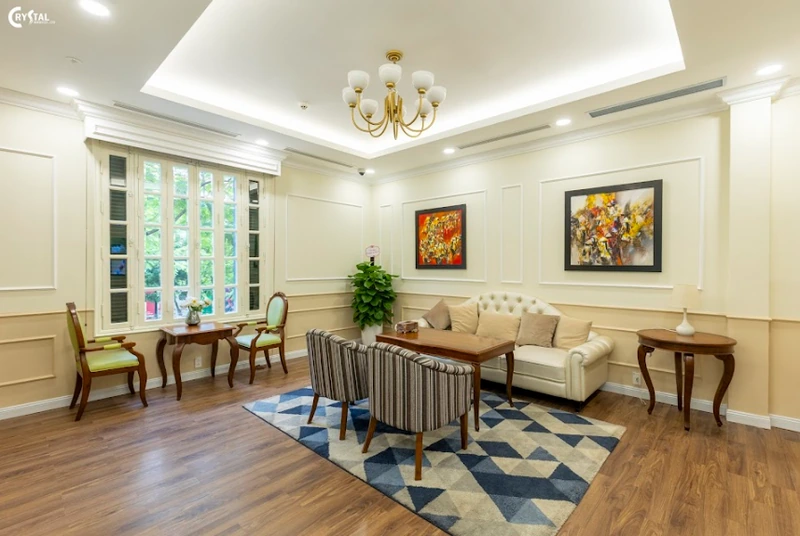
Indochine style in 2026 is not a trend; it is a design philosophy that has proven its longevity across decades and across space typologies. Its enduring appeal lies in something that no algorithmic design generator can replicate: a genuine conversation between cultures, materials, history, and the human desire for beauty that feels meaningful.
Ready to Bring Indochine Design to Your Space?
Crystal Design is a full-service interior design and construction firm specializing in delivering premium commercial, hospitality, and office interiors, with deep expertise in Indochine and contemporary Asian-influenced design.
Our end-to-end service covers everything from initial design consultation through manufacturing and on-site construction, all under one roof, with a team that spans Korean and Vietnamese design expertise, backed by a 6,000m² manufacturing facility.
Why Crystal Design:
- Complete turnkey service: Design – Manufacturing – Construction.
- Proven experience with large-scale corporate and international brand projects.
- Reasonable, transparent cost optimization from consultation through delivery.
- On-time completion guarantee with post-handover warranty.
- Multilingual team serving both local and international clients.
Contact Crystal Design TPL
|