

2026 Law Office Interior Design Trends: Creating Modern and Sophisticated Legal Spaces
A well-executed law office interior design is your most powerful communication tools, instantly signaling competence, trust, and professionalism. As modern firms embrace transparency and flexibility, current trends – from glass partitions to biophilic elements – are reshaping legal spaces. This guide explores the top design styles, critical 2026 trends, and practical decisions necessary to ensure your office redesign is a strategic, successful investment, especially when applying best interior design for law office strategies and modern law firm interior design thinking.
1. TOP Law Office Interior Design Styles
In 2026, many law firms are moving away from one-size-fits-all aesthetics. Instead, firms are investing in the best interior design for law office strategies that align spatial experience with brand identity and client expectations.
This shift reflects a broader movement toward flexibility and personalization in workspace design. Many firms are now referencing contemporary interior designs to build environments that can evolve over time, supporting both brand identity and the changing expectations of modern legal professionals.
1.1. Traditional and Classic Elegance
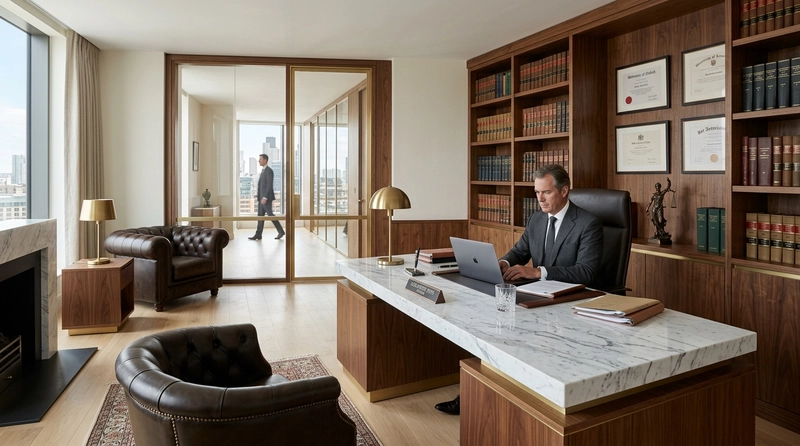
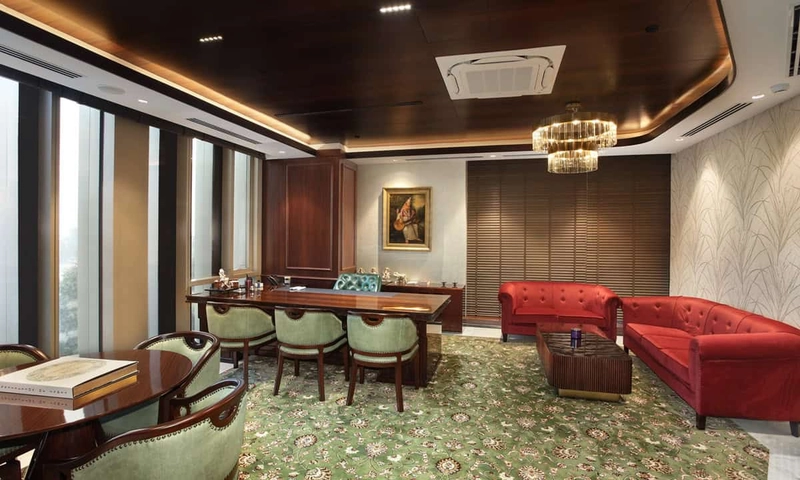
This style remains the gold standard for law firms aiming to project authority, stability, and a high level of discretion. However, the 2026 evolution of “traditional” has been carefully refined to move away from the heavy, stifling atmosphere of decades past.
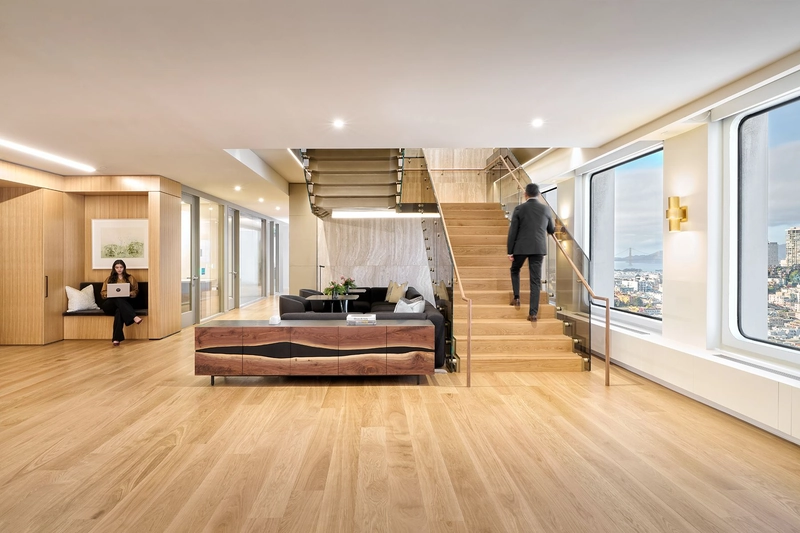
Materials and Colors: Instead of over-relying on dark wood paneling or rigid forest greens and navys, modern designers are now pairing these “power colors” with lighter accents like ivory wallcoverings or pale oak. Premium materials such as walnut, marble, and brushed brass are used strategically to create an aesthetic that feels timelessly elegant rather than dated.
Light and Space: To keep the environment from feeling too enclosed, these designs integrate glass partitions and mirrors to open up the floor plan. This invites more natural light, making the office feel more “breathable” and approachable while still maintaining that essential sense of gravitas.
1.2. Modern and Democratic Layouts
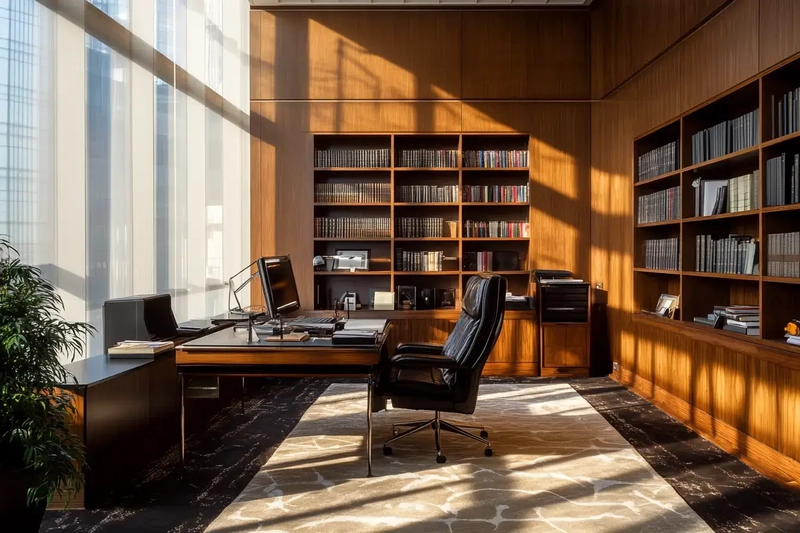
This style is the physical manifestation of a progressive shift in legal culture, replacing hierarchies with a focus on equality, transparency, and inclusion. It represents a new direction in modern law office interior design, prioritizing flexibility and transparency.
Promoting Equality: Law firms are increasingly ditching the traditional setup where massive corner offices are reserved exclusively for senior partners. Instead, firms are standardizing office sizes across the board or implementing “neighborhood seating” to encourage mentorship and more natural teamwork.
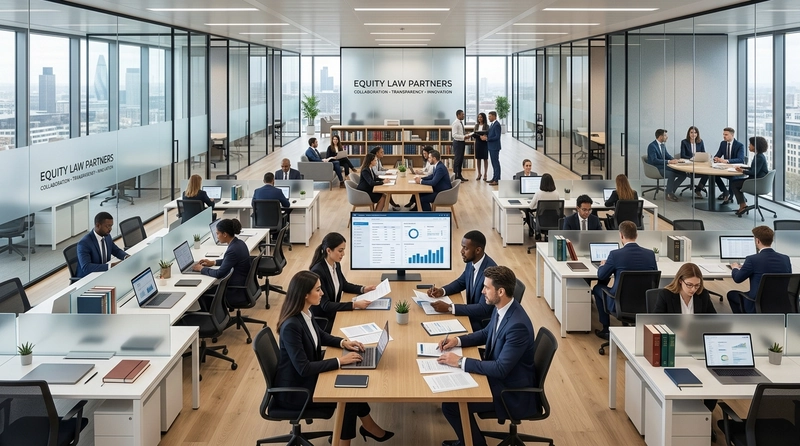
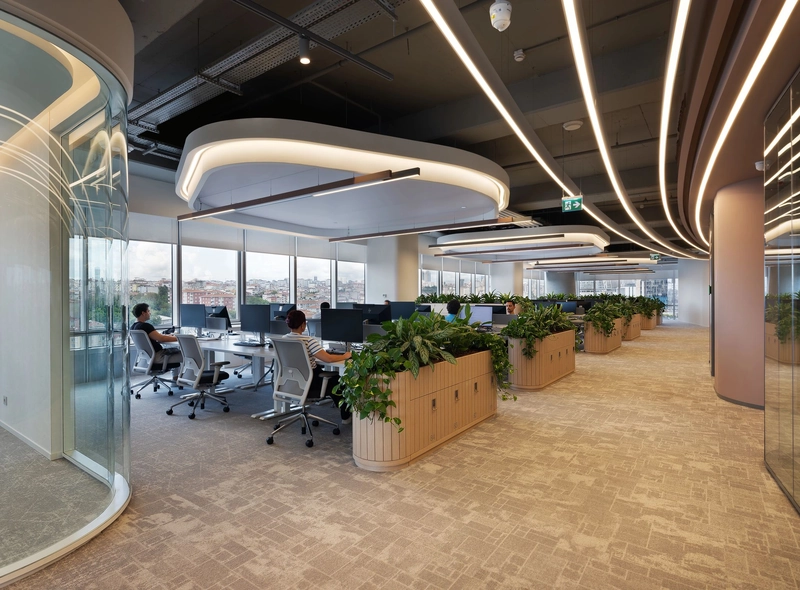
Hybrid Layouts: This approach combines the advantages of both traditional and modern office layouts. Private offices are positioned along the perimeter to guarantee confidentiality, while the “core” or center of the office is transformed into shared communal zones, research libraries, and open collaborative spaces. These layouts are frequently highlighted in law office interior design pictures that showcase hybrid working environments.
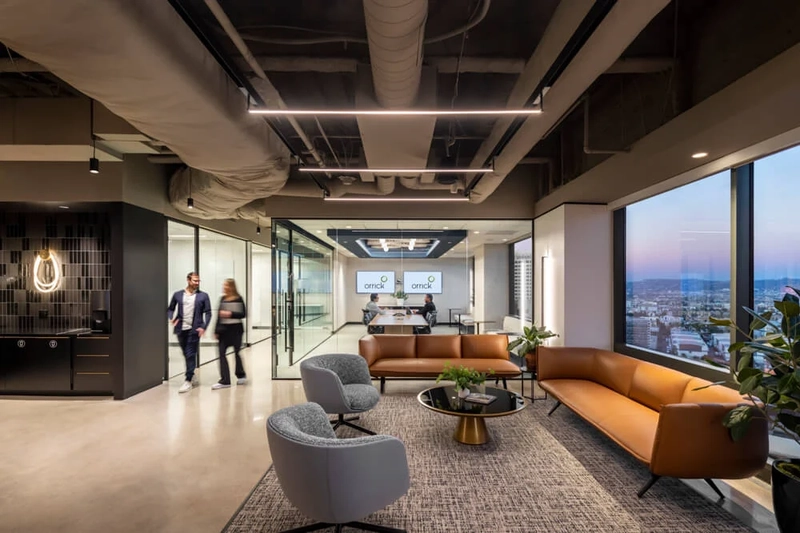
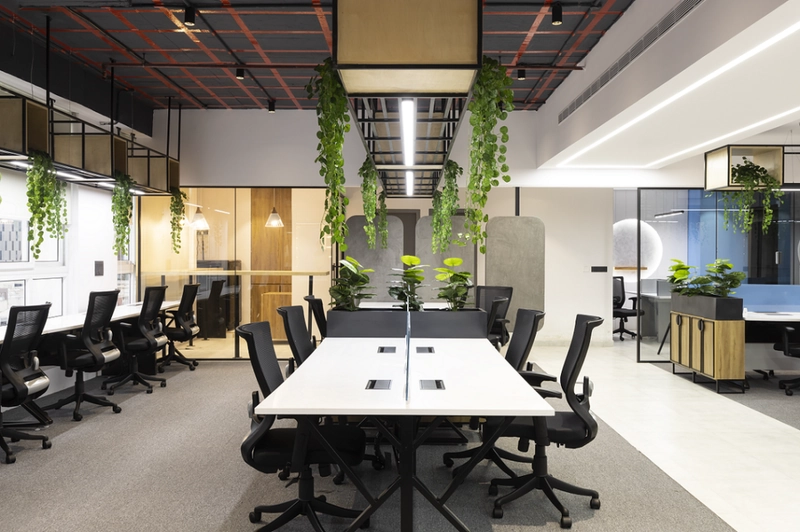
At the same time, material selection is no longer purely aesthetic. Incorporating elements of industrial interior design allows firms to introduce structure, durability, and a subtle sense of authority especially effective in balancing open layouts with a strong, grounded visual identity.
1.3. Hospitality-Inspired Office Design
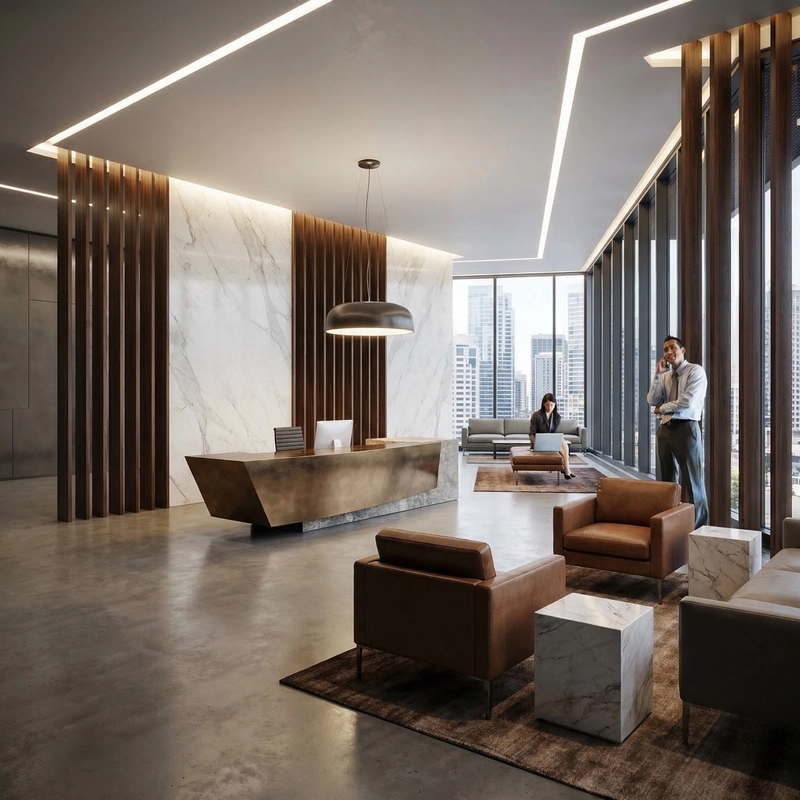
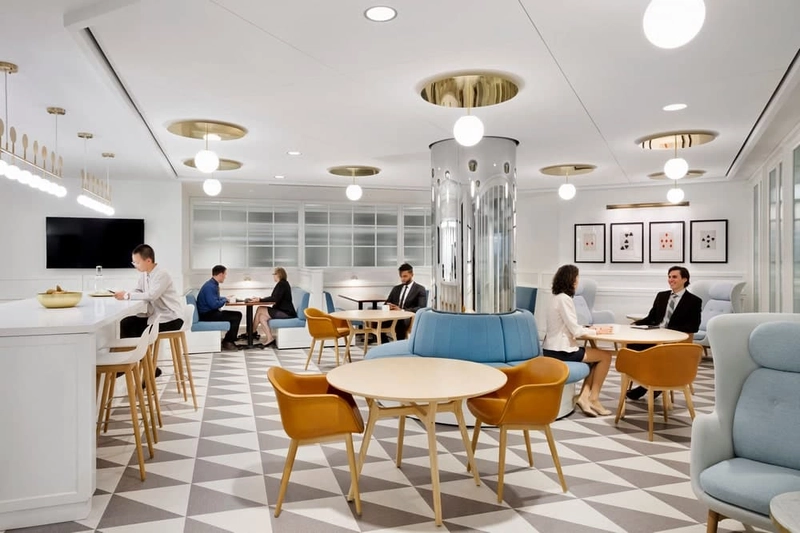
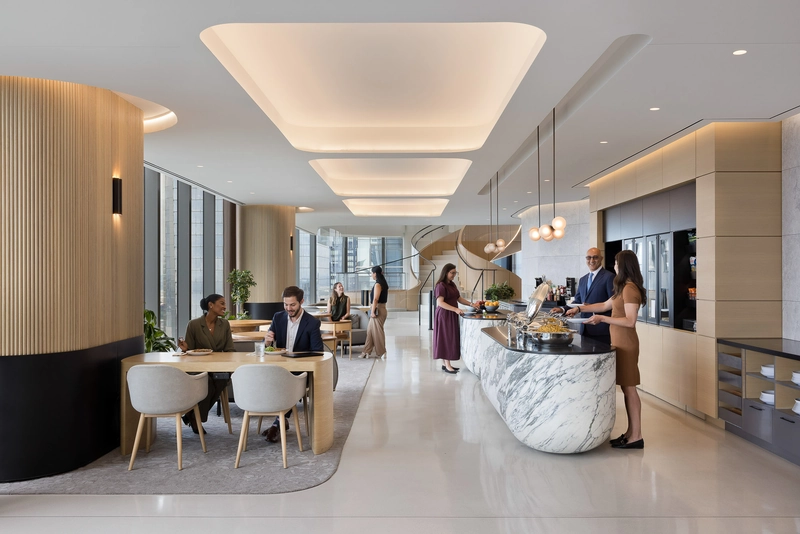
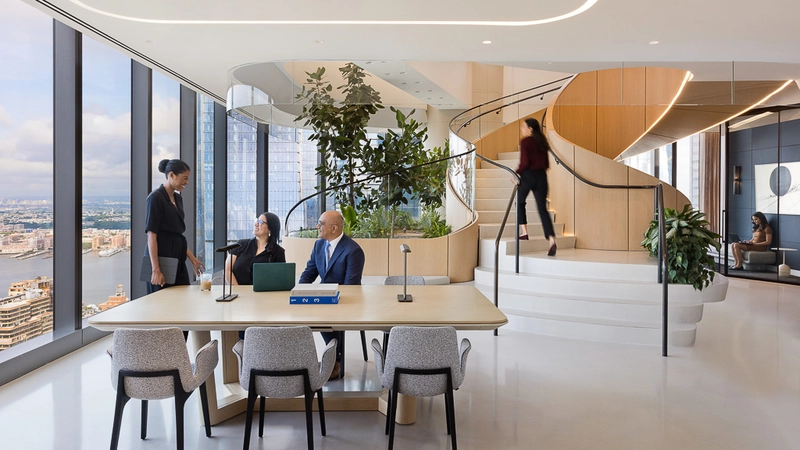
The legal industry is now actively adopting elements from the luxury hospitality sector. By borrowing high-end design principles, firms are transforming their physical spaces to significantly elevate the experience for both clients and internal teams. This trend is becoming a key part of law firm office interior design, especially in client-focused firms.
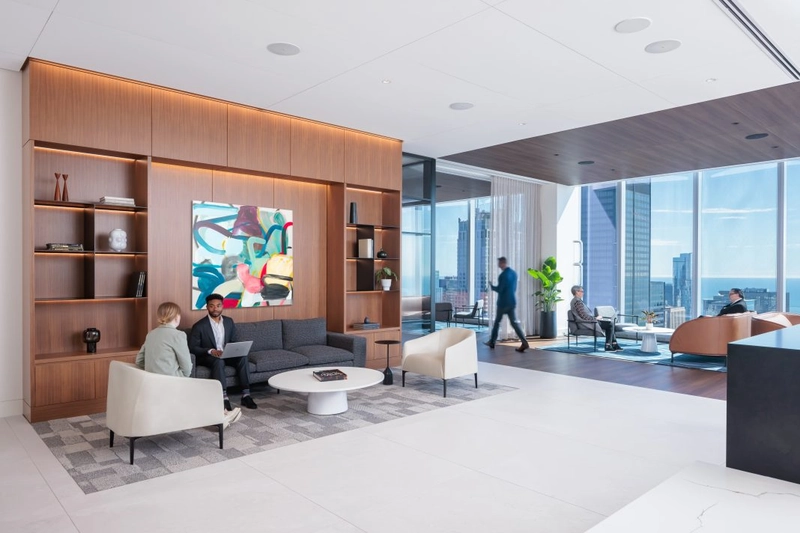
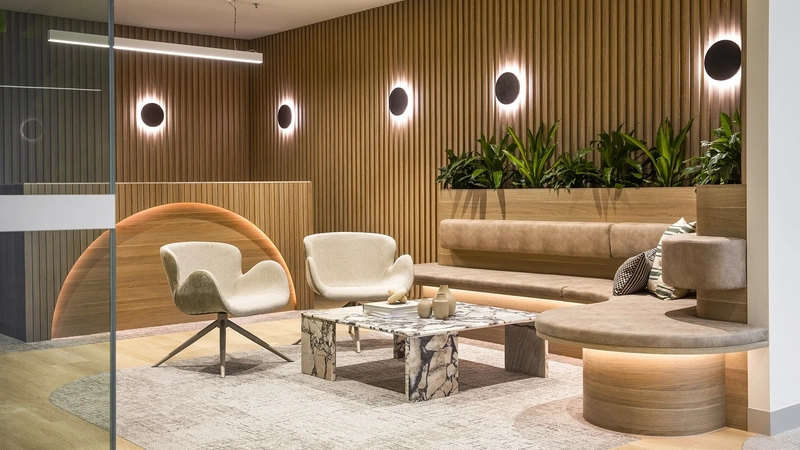
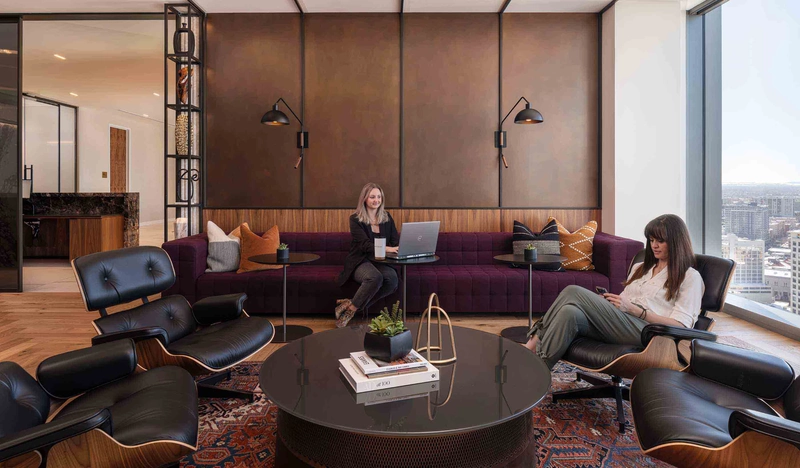
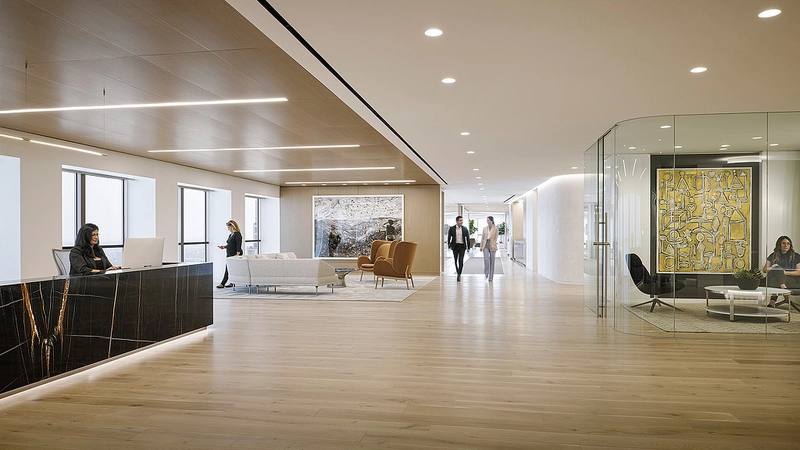
“Lounge-Style” Client Reception Areas: Law firms are eliminating dry, sterile waiting rooms, replacing them with reception zones that evoke the comfort and sophistication of a boutique hotel lobby. This shift prioritizes high-end design, featuring plush, premium furniture, warm ambient lighting, and carefully curated art pieces. This immediate visual statement establishes a relaxed, professional atmosphere, helping to ease the tension often associated with high-stress legal matters.
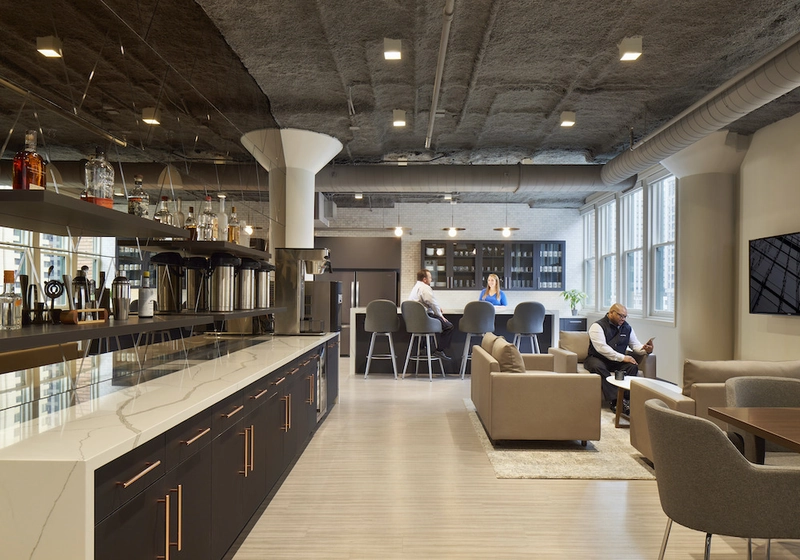
Premium Amenities and the Client Welcome: It’s all about the “welcome.” Many modern firms are now integrating craft coffee bars or sophisticated non-alcoholic mocktail lounges. These touches do more than just serve a drink; they create a relaxed, inviting atmosphere that helps take the edge off for clients dealing with high-stress legal matters. It’s a design strategy that feels both hyper-professional and emotionally grounded.
1.4. Biophilic and Restorative Design
The high-pressure nature of the legal profession makes “wellbeing-first” design a standard for 2026. This style actively combats burnout by integrating elements that restore mental and physical balance.
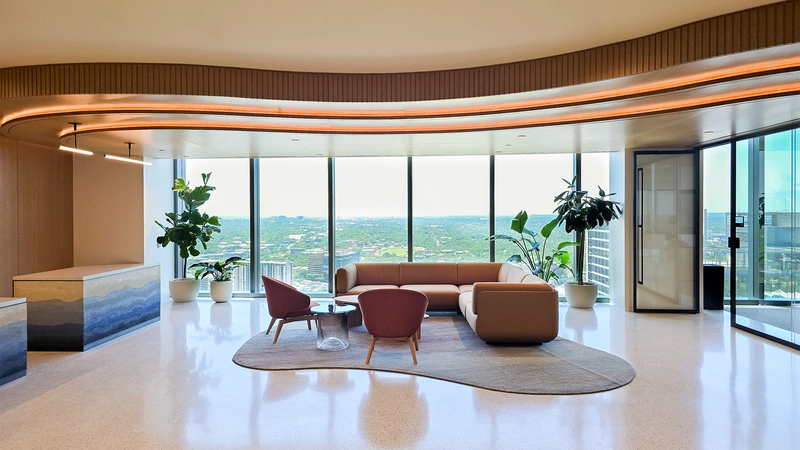
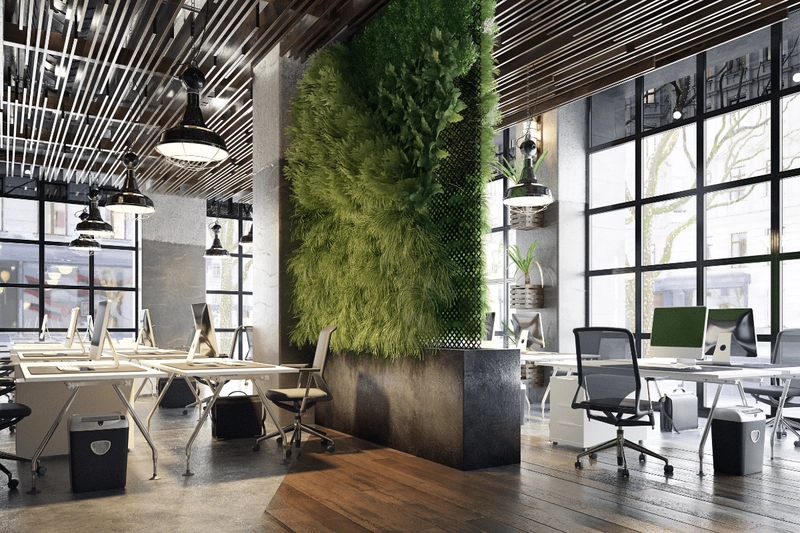
Bringing Nature In (Biophilia): Design goes beyond simple desk plants by maximizing natural light and sightlines to the outside. The emphasis is on living green walls, indoor gardens, and the use of organic materials, all scientifically proven to sharpen focus and improve team mood.
Restorative Spaces: Modern offices are shifting away from a “productivity-at-all-costs” mindset to create dedicated recharge zones. These spaces include quiet zones, wellness suites, meditation rooms, or outdoor terraces, which are essential for lawyers to unplug and regain balance.
Health Integration: To ensure long-term physical health, designs incorporate features like circadian lighting (mimicking natural daylight) and high-end ergonomic furniture. These wellness-driven strategies are now essential in interior design law office planning.
2. Trends Shaping Modern Law Office Interior Design in 2026
2.1. Hospitality-Standard Client Experience Spaces
Law firms are adopting luxury hospitality standards to redefine the client reception area. This evolution is shaping new interior design ideas for law office environments globally. Replacing stiff waiting rooms, “lounge-style” zones with high-end furniture, curated art, and sophisticated coffee bars create an exceptional first impression. This approach eases client stress while reinforcing the firm’s prestige and authority.
2.2 Hybrid Work Models and Flexible Spaces
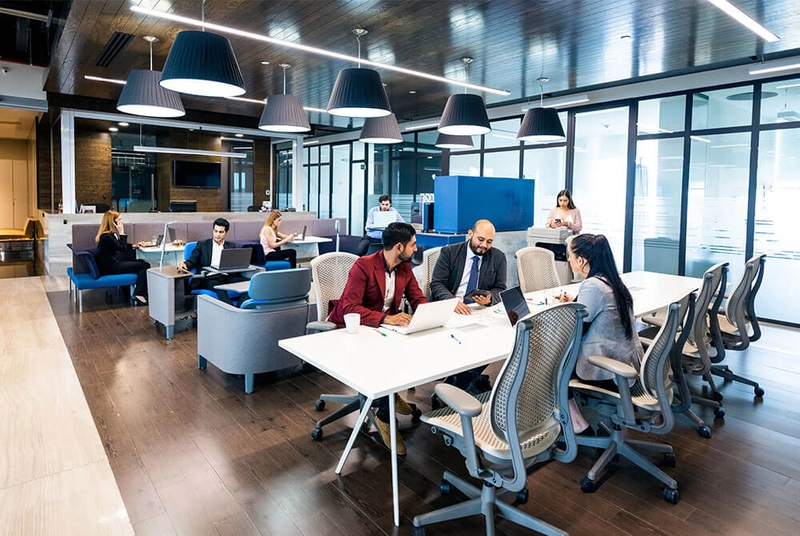
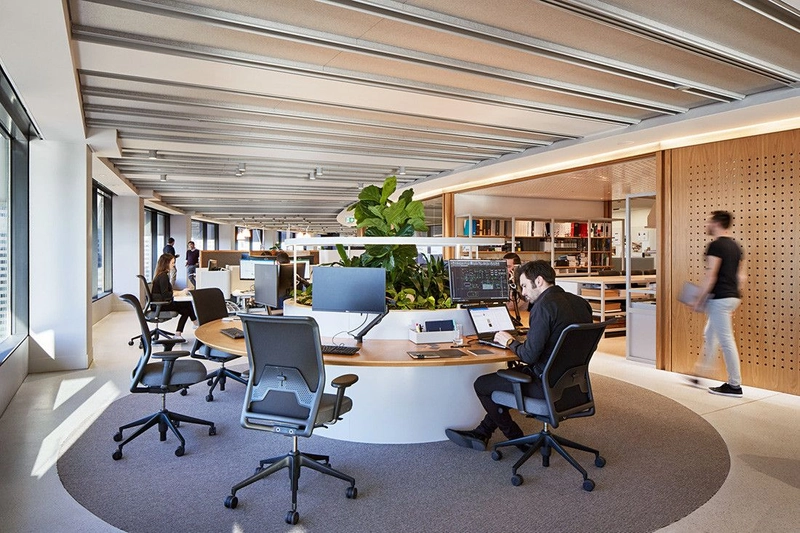
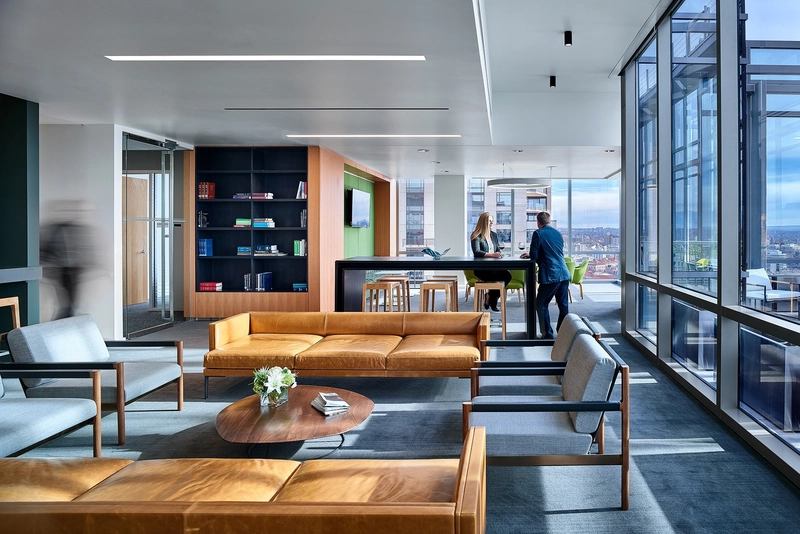
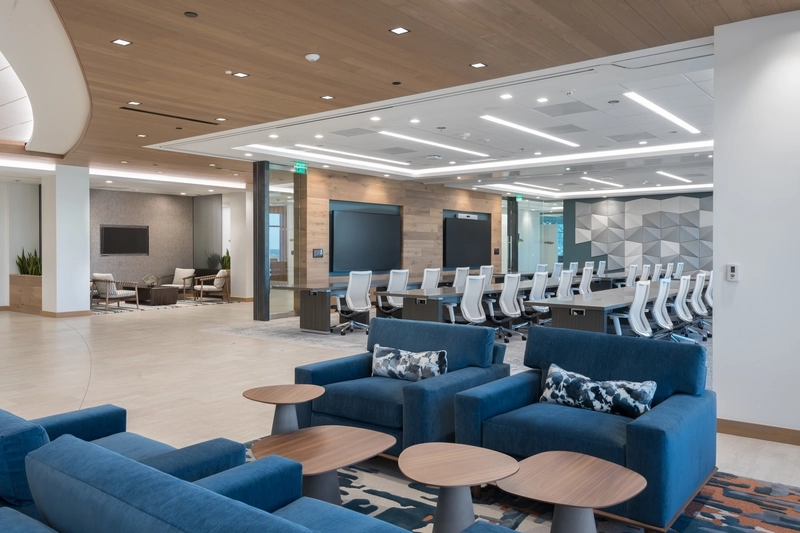
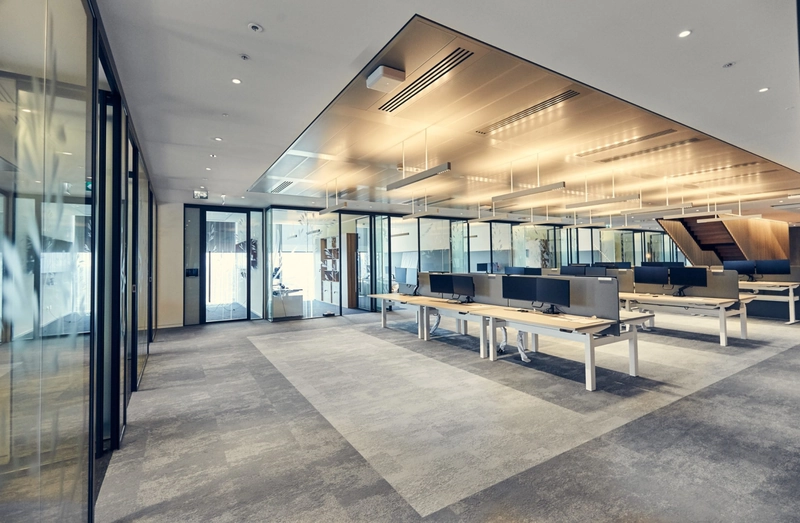
The hybrid model demands redefining space allocation between private and communal zones. Rather than filling a floor with rows of cramped, fixed desks, modern offices are focusing on “purposeful abundance.” Many firms are downsizing individual footprints in favor of hot-desking or “neighborhood seating” to maximize the floor plan and spark collaboration.
These planning strategies are increasingly aligned with modern office building interior design, where flexibility, scalability, and multi-functional use are critical. Law firms operating in premium buildings must ensure their interiors integrate seamlessly with larger architectural systems and shared infrastructure.
The office transforms into a flexible destination, offering deep-focus rooms and interactive hubs to support diverse work styles. This approach is particularly effective for firms exploring small law office interior design ideas.
2.3 Prioritizing Acoustic Design and Privacy
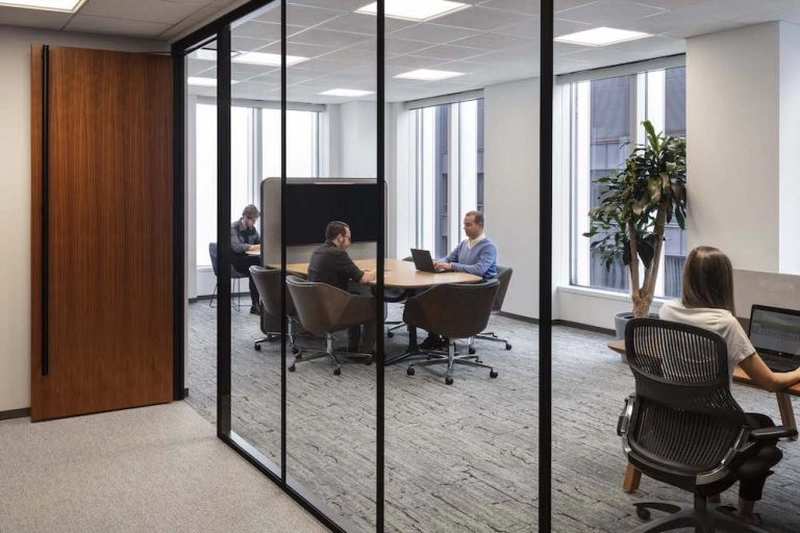
Client confidentiality is the bedrock of the legal profession, making acoustic control a top priority in modern design. In any law firm interior design, acoustic performance directly impacts trust and professionalism. To strike a balance between an open atmosphere and ironclad privacy, architects are utilizing double-glazed glass, acoustic ceiling baffles, and strategic sound zoning.
Features like soundproof phone booths, dedicated “quiet zones,” and sound-masking technology ensure that private calls and case research remain strictly confidential, even in a modern layout.
2.4. AI Integration and Smart Tech
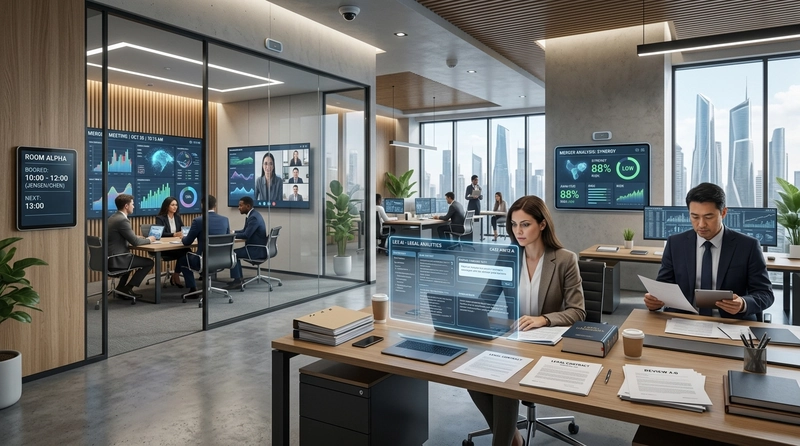
Technology is now the “invisible backbone” of the workplace, creating a seamless “phygital” environment where physical and digital spaces merge. A modern law office isn’t complete without smart meeting rooms equipped with AI booking systems, environmental sensors, and flawless video conferencing for virtual hearings.
We’re even seeing AI integrated as a “virtual team member,” assisting with file management and data analysis directly at the desk or within dedicated project zones. Technology integration is now a defining feature of modern law office interior design.
2.5. Biophilic Design and Well-being
Burnout and retention are major concerns in the legal industry, and law firm renovations are increasingly incorporating wellness-focused design elements that support attorney mental health and concentration.
- Biophilic design brings the outdoors in, maximizing natural light, installing living green walls, and using organic materials like wood and stone to boost mood and mental clarity.
- To support total health, firms are adding ergonomic sit-stand desks, meditation rooms, and even mocktail bars to provide lawyers with dedicated spaces to recharge and decompress.
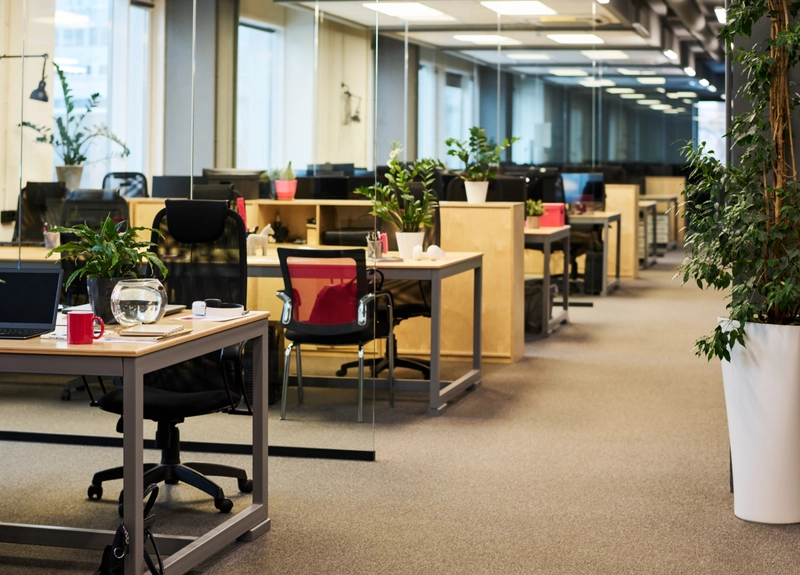
2.6. Modern Minimalism: Blue-Grey and Neutrals
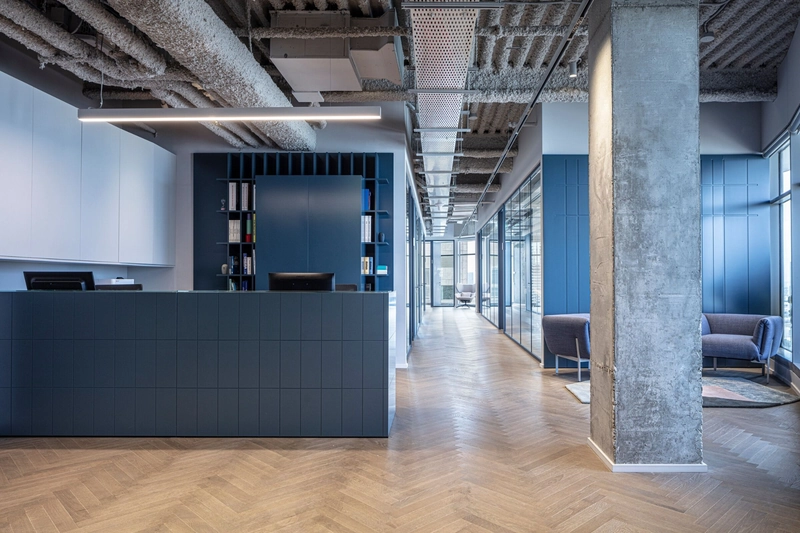
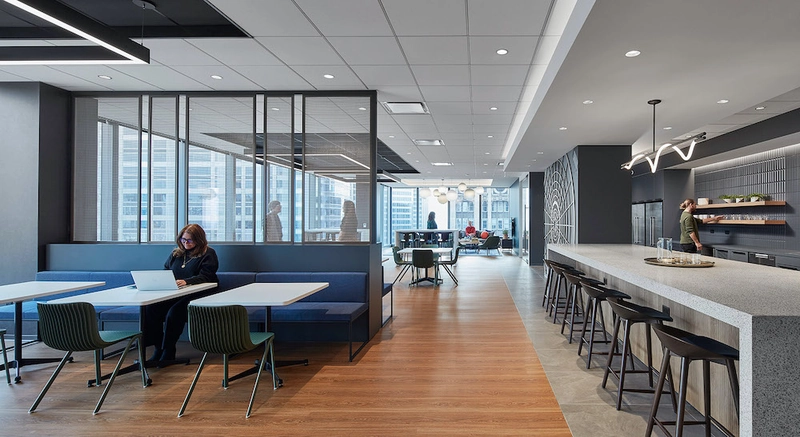
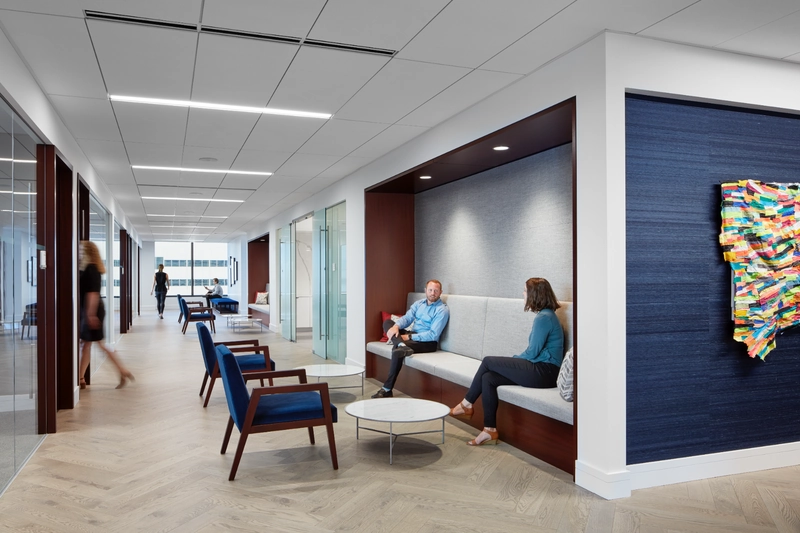
A lighter, more elegant palette replaces the aesthetic of dark wood. The 2026 trend pairs “power colors” like deep navy with warm neutrals, off-whites, and light oak accents. This combination creates a minimalist, peaceful environment that still feels undeniably professional and timeless.
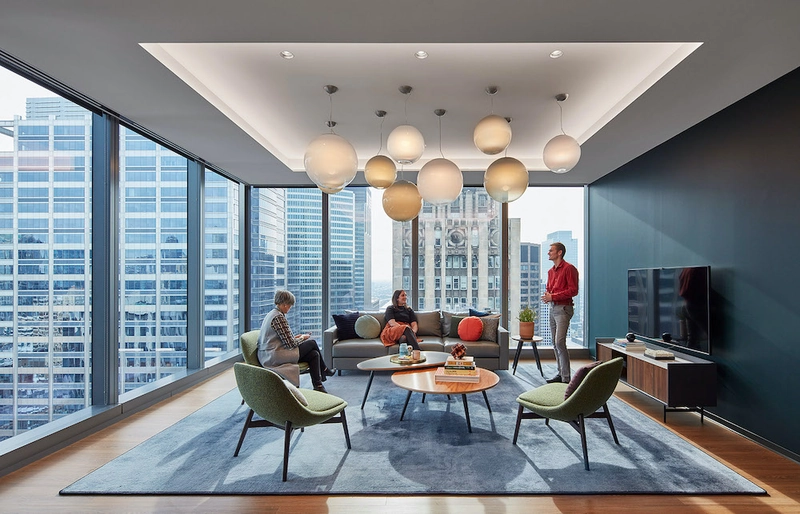
2.7. Glass Partitions and Transparency
Using glass as a primary material has become a design symbol for breaking down traditional hierarchies and flooding the office with natural light. Glass partitions for meeting rooms and private offices don’t just expand the space visually; they promote a culture of transparency and openness. High-performance acoustic glass ensures that sensitive conversations stay private while keeping everyone feeling connected to the firm’s energy.
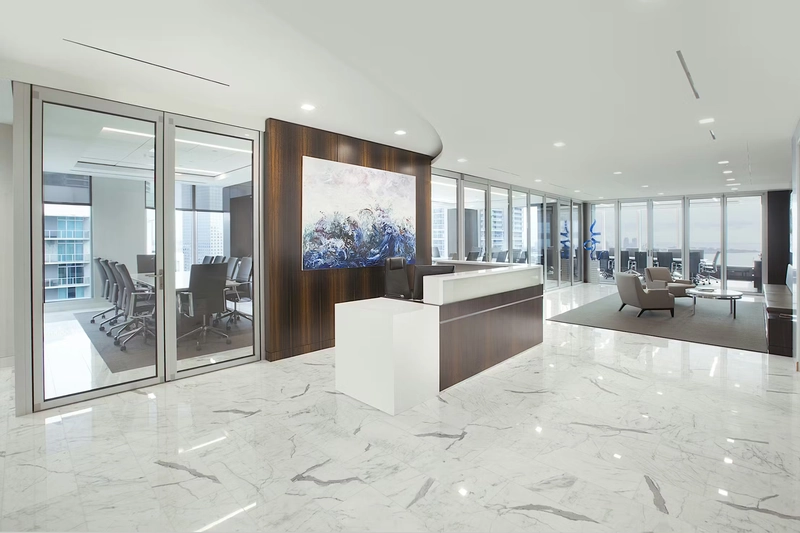
2.8 The Perfect Balance: Tradition Meets Modernity
The ultimate goal for law office design in 2026 is a sophisticated harmony between honoring heritage and embracing the future. The space must reflect the history, gravity, and trustworthiness of the legal profession, while still offering the equality and flexibility of a next-generation workspace.
By blending classic materials with clean, contemporary architecture and smart tech, law firms can maintain their stature while confidently moving into the future. The most effective law office interior design ideas combine heritage with innovation.
3. How to Choose the Right Law Office Interior Design
Designing a law firm today requires a delicate balance between prestige and modern agility. A strategic approach to interior design for law office ensures both performance and brand alignment. Here are the core pillars to consider:
3.1. Define Your Brand Identity
Interior design is a silent language that communicates your firm’s values. A well-aligned workspace builds client trust and helps attract top-tier talent. This is a critical foundation for achieving the best interior design for law office outcomes.
- Tailored Styles: A high-stakes litigation firm might lean toward sharp, minimalist lines, while a legacy family firm may benefit from modernized traditional warmth, etc.
- Unique Touchpoints: Subtly integrate local culture or brand colors through bespoke materials and curated art to create a signature look.
3.2. Understand Your Client Demographics
The reception area is your most critical touchpoint. Designing with a hospitality-inspired mindset helps clients feel more comfortable during high-stress legal situations.
- Cultural Nuance: For the Asian market, clients often look for a blend of global prestige and local cultural elements.
- The Lobby Experience: A high-end, hotel-lobby feel, emphasizing privacy and warmth, is currently the gold standard for luxury law firms.
3.3. Evaluate Space and Functional Requirements
Please assess how your team utilizes the office to identify the appropriate balance between private desks and shared zones.
- Agile Layouts: Use modular furniture and multipurpose spaces to ensure the office can be reconfigured as your firm grows.
- Hybrid Support: Optimize the floor plan to support a hybrid workforce, ensuring the office remains a functional “destination” rather than just a place to sit.
3.4. Evaluate Space and Functional Requirements
Map out how the firm actually works, including key criteria:
- The ratio of in-office to remote working days across different roles
- How frequently client meetings occur vs. internal collaboration
- Storage needs (physical files, document volumes)
- Any specialized spaces required (secure data rooms, recording suites)
3.5. Prioritize Privacy and Confidentiality
Confidentiality is the bedrock of legal practice. Regardless of how “open” your office feels, sound and data security must be absolute.
- Acoustic Excellence: Utilize double-glazed glass, acoustic panels, and sound-masking technology to ensure private conversations stay private.
- Digital Security: Integrate “hidden” IT rooms with RFID smart-card access and encrypted physical document storage to protect sensitive client data.
3.6. Balance Aesthetics with Functionality
A wonderful office honors the authority of the legal profession without sacrificing modern efficiency.
- Form Meets Function: Choose furniture that is both luxurious and ergonomic. A beautiful chair is only valuable if it supports a lawyer’s health during long research hours.
- Seamless Tech: Integrate video conferencing tools directly into the architecture. The goal is a high-tech environment that feels natural, not a “tech showroom” that feels forced.
3.7. Strategic Budgeting and ROI
Establish a realistic budget early and allocate it deliberately. In law office design, client-facing areas (reception, consultation rooms, and the main conference suite) typically justify a higher spend per square meter, as they directly influence client perception and relationship quality. Back-of-house working areas can be designed for function and durability without the same material specification.
4. Detailed Design Ideas by Functional Area
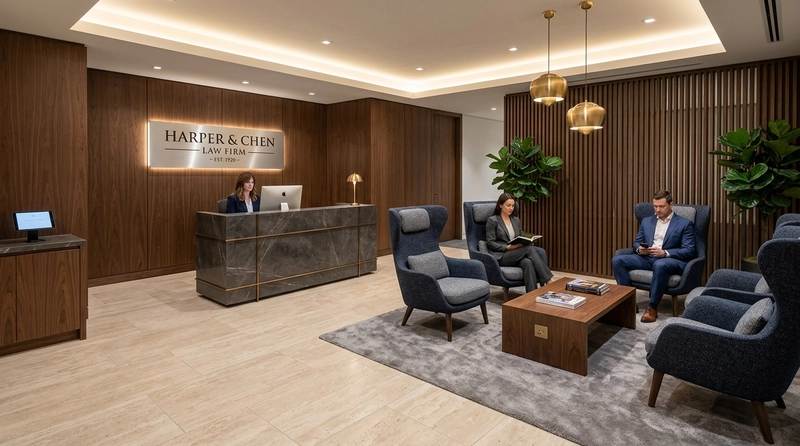
4.1. Reception and Waiting Area
The reception area is the firm’s first and most persistent impression. These are practical interior design ideas for law office spaces that improve both usability and perception:
- Materiality: Use quality finishes, such as stone, timber, metal, not decorative laminates. The difference is immediately perceptible.
- Seating: Comfortable but not casual. Lounge chairs with good lumbar support, properly proportioned to the space.
- Lighting: Layered – ambient base lighting supplemented by warmer tasks and accent sources. Avoid cold, flat overhead fluorescents entirely.
- Acoustics: Reception should feel calm, not echoey. Soft furnishings, rugs, and acoustic ceiling treatment all contribute.
- Technology: Discreet digital check-in, a clean branded display, and charging access for waiting clients.
4.2. Private Offices for Lawyers
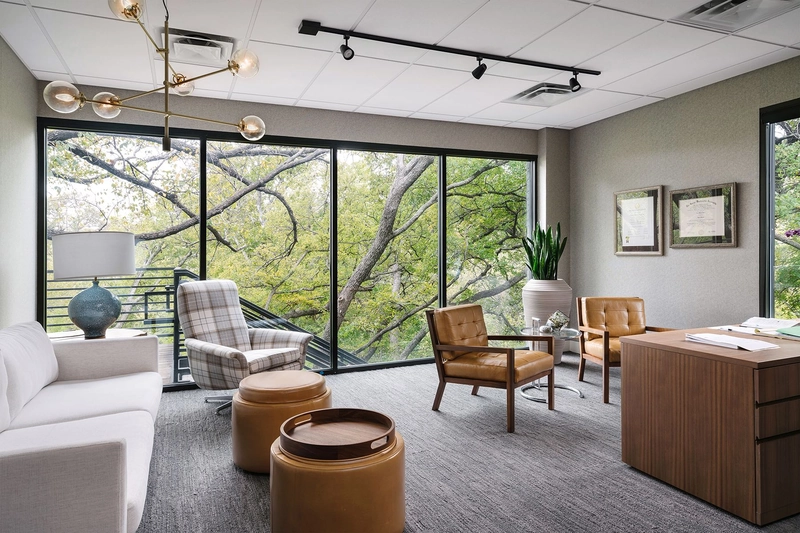
Individual attorney offices should support deep-focus work: minimal visual clutter, proper desk proportions, good task lighting, and acoustic separation. A well-planned lawyer office interior design enhances both concentration and confidentiality. Where glass fronts are used, frosted banding or switchable privacy glass allows visual connection and privacy as needed.
4.3. Meeting and Consultation Rooms
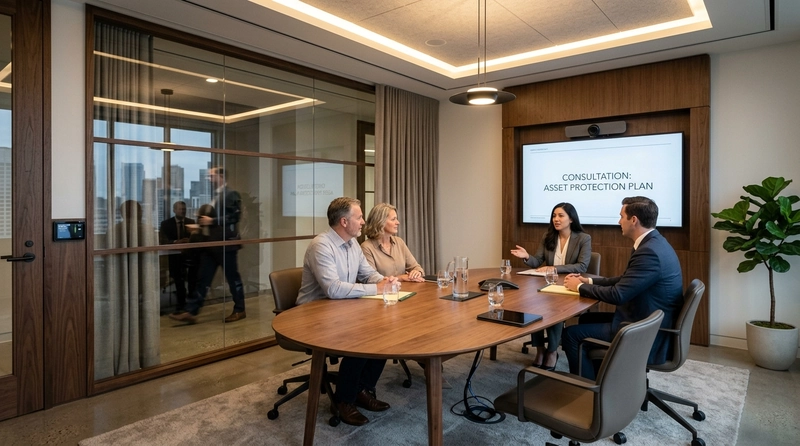
Professional trust is established in these client-facing rooms, which are critical environments. Priorities include:
- Acoustic isolation: Walls should provide full speech privacy.
- Technology integration: Permanently install and ensure the reliability of video conferencing equipment, avoiding a visible tangle of borrowed cables.
- Furniture scale: Consider round or oval tables to minimize the hierarchical tension that is often present with rectangular boardroom configurations in sensitive consultation contexts.
- Lighting control: Install dimmable and adjustable lighting to create the appropriate atmosphere for different conversations.
4.4. Collaboration Spaces
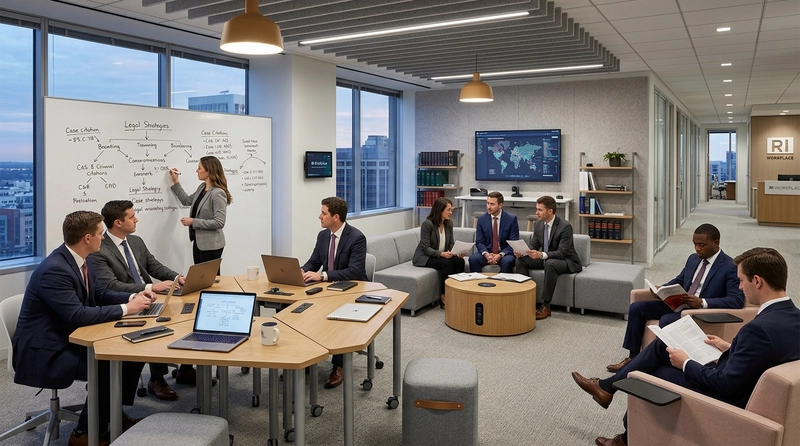
Today’s law firms require spaces that allow for both balanced teamwork and focused work and provide the opportunity for continuous learning. RI Workplace Collaboration zones should be:
- Flexible: Movable furniture, writable surfaces, and plug-and-play technology connectivity
- Acoustically managed: While not necessarily soundproofed, these spaces should be thoughtfully located away from private offices and client areas.
- Comfortable: The design should encourage people to choose to spend time in these areas, ensuring a high level of comfort and support
4.5 Law Library and Research Area
The physical law library has transformed from simple storage to a functional resource. The design emphasis is shifting from volume to accessibility and function:
- Digital research integration alongside physical resources
- Quiet, focused seating for individual research
- Reference areas designed for extended use (good ergonomics, controlled lighting)
- Storage that’s organized and accessible, not simply voluminous
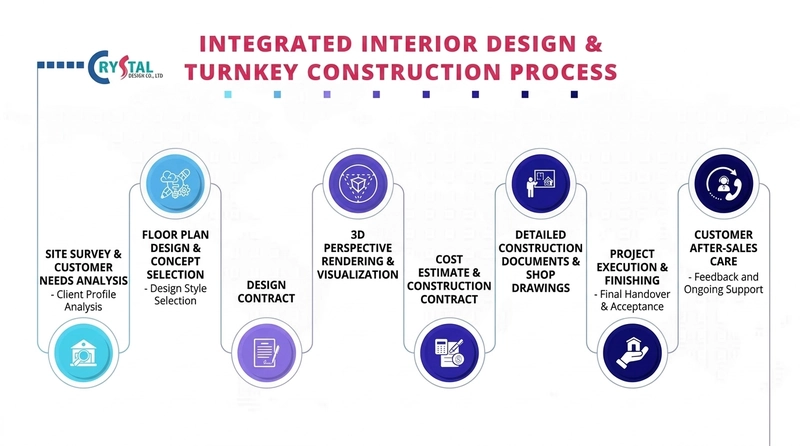
5. Deco Crystal’s Professional Law Office Design Process
At Deco Crystal, what we’ve learned is that legal spaces require a specific kind of discipline: every decision has to carry both aesthetic and functional weight. We design our process to mitigate the two biggest risks in law office construction: acoustic leakage and project delays.
Additionally, we employ a “turnkey” methodology that integrates our “inside-out” philosophy with rigorous technical standards.
- Step 1: Discovery and briefing:
We begin with a thorough consultation to understand the firm’s brand positioning, client profile, operational patterns, and specific confidentiality requirements.
- Step 2: Floor Plan Design and Concept Selection
Based on the brief, we develop floor plan options and present concept directions for your review. This is where design style is selected, whether that’s modern minimalist, classic-contemporary, or a hybrid approach that fits your firm’s identity.
- Step 3: Design Contract
Once the concept is aligned, we formalize the scope in a design contract, including clear deliverables, timeline, and responsibilities on both sides.
- Step 4: 3D Perspective Rendering and Visualization
You can see exactly what you’re getting before ordering a single piece of furniture or touching a wall. Our 3D visualizations render the complete space in accurate detail.
- Step 5: Cost Estimate and Construction Contract
With the design finalized, we produce a detailed cost estimate and construction contract. We lock in the scope, budget, and schedule in writing. This stage protects both parties and sets the foundation for a smooth execution phase.
- Step 6: Detailed Construction Documents and Shop Drawings
Every element of the design is translated into precise technical drawings for fabrication and on-site execution. With a 6,000m² manufacturing facility in-house, we produce and quality-control furniture and fit-out components directly.
This is the stage where ideas are tested in reality. A precise interior construction process ensures that design intent is fully translated into technical execution, minimizing errors on-site and maintaining consistency across materials, systems, and spatial details.
- Step 7: Project Execution and Finishing
Our team manages construction, ensuring it stays on schedule and within budget. The process concludes with a formal final handover and acceptance walkthrough; nothing is signed off until the space meets the agreed standard.
- Step 8: Customer After-Sales Care
Our relationship with clients doesn’t end at handover. We provide ongoing feedback channels and post-occupancy support, covering warranty issues and any adjustments needed as the firm settles into the new space.
For a law firm, great interior design in 2026 means blending professionalism with purpose: destination-style hybrid spaces, wellbeing-rich fitouts, client-first hospitality, and security-conscious technology. Amicus the firms that get this right aren’t just investing in aesthetics; they are investing in talent retention, client relationships, and the daily experience of the people who work there.
If you are planning a law office redesign or new fitout and want to work with a team that understands both the design demands and the operational realities of a legal workplace, we would be glad to talk.
|
Crystal Design – We work to inspire. Contact us for consultation and site survey:
|